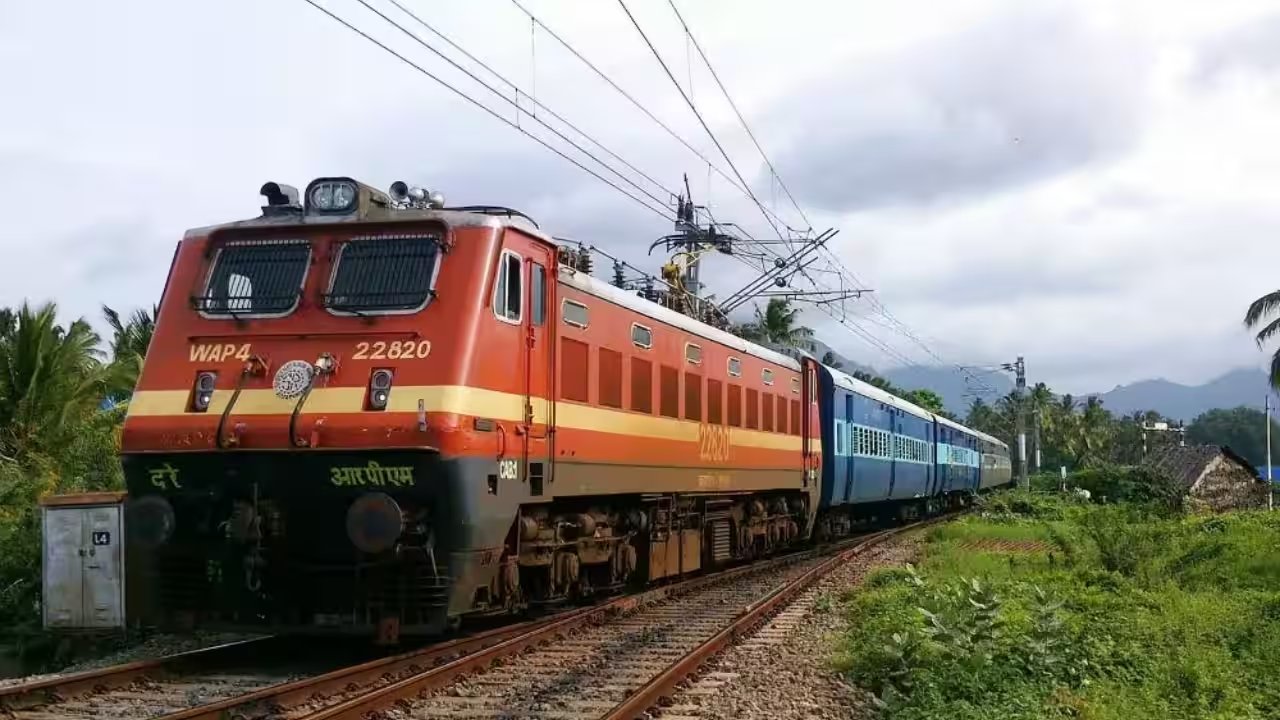
Indian Railways’ locomotive inventory shows a stark gap: out of 17,900 engines, only 3,400 are passenger‑grade electric units, while 4,200 diesel units are largely freight‑dedicated and just 284 serve passenger routes. The shortage has forced the railways to re‑route WAG‑9 freight engines, certified for 100 km/h, onto express services that normally run at 130 km/h.
Train No. 11044, the Ballia‑Dadar Central Express, suffered a 5 hours 28 minutes delay on 3 September 2026 after a WAP‑4 passenger locomotive was unavailable and a freight WAG‑9 was attached. Records show the train lost 328 minutes of scheduled time between Bina and Khandwa, an incident that rattled commuters across the eastern Uttar Pradesh corridor.
On 21 September, the Kanpur Central‑Prayagraj Sangam InterCity Express (No. 14102) was hauled by a freight WAG‑9 instead of its planned WAP‑1, cutting its speed to 100 km/h and causing a 30‑minute delay in the 130‑km/h permissible section. A regular commuter from Varanasi complained that the delay forced him to miss his connecting train to Lucknow.
The Railway Ministry has approved 492 passenger locomotives for the 2026‑27 fiscal year, including 326 WAP‑7 units, and an additional 187 for 2027‑28, bringing the two‑year total to 679. The ministry also plans rapid adoption of modern trainsets and better utilisation of existing assets to mitigate the backlog.
Passengers across the nation have begun to voice frustration in public forums, citing missed connections and added travel costs. The Ministry has pledged to accelerate production lines at three key locomotive works, with the first new units expected to roll out by October 2026.