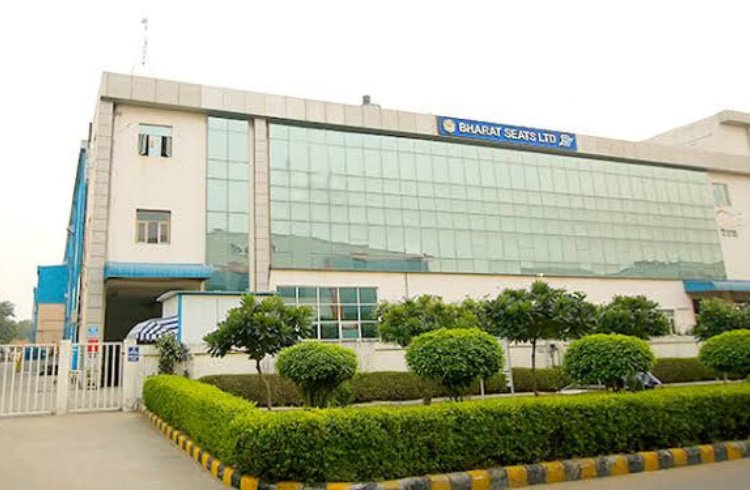
Bharat Seats' Q2 earnings reveal a 53.5% jump in net profit to ₹15.20 crore, while operating revenue surged 54% to ₹709.22 crore—figures that already outstrip last year’s performance. But the headline numbers are just the tip of the iceberg for anyone watching the automotive supply chain.
The company’s total expenditure also leapt 54%, reaching ₹689.46 crore, mirroring the revenue rise. Raw‑material costs were the biggest culprit, spiking 62% to ₹618.06 crore. For car manufacturers, that means every seat unit is now pricier, and the cumulative effect is already felt in the final price tags.
When you look at the half‑year, the picture is even clearer: operational revenue hit ₹1,287.05 crore, up 45% year‑on‑year, and net profit climbed 49% to ₹28.42 crore. Sustained growth across the quarter shows that seat makers are not just coping—they’re thriving, which can shift bargaining power in the component market.
Bharat Seats’ board has already taken a step to control one of the most volatile cost drivers—electricity. A ₹99‑lakh investment will give the company a 26% stake in a captive solar plant in Haryana, aimed at powering its manufacturing lines. If the solar project cuts power bills, the savings might eventually trickle down to the dealer floor.
For the average buyer, these earnings translate into a modest uptick in seat costs that could push overall vehicle prices by a few thousand rupees, especially in models where seat comfort is a premium feature—think Tata's Urban and Mahindra's XUV700. The competition among seat suppliers is tightening, so manufacturers may have to absorb some of these cost increases.
Looking ahead, the next quarterly report will likely confirm whether the trend of rising material costs continues. Keep an eye on component price indices and the rollout of the solar plant, as both will shape how much more you pay for a new car in the coming months.