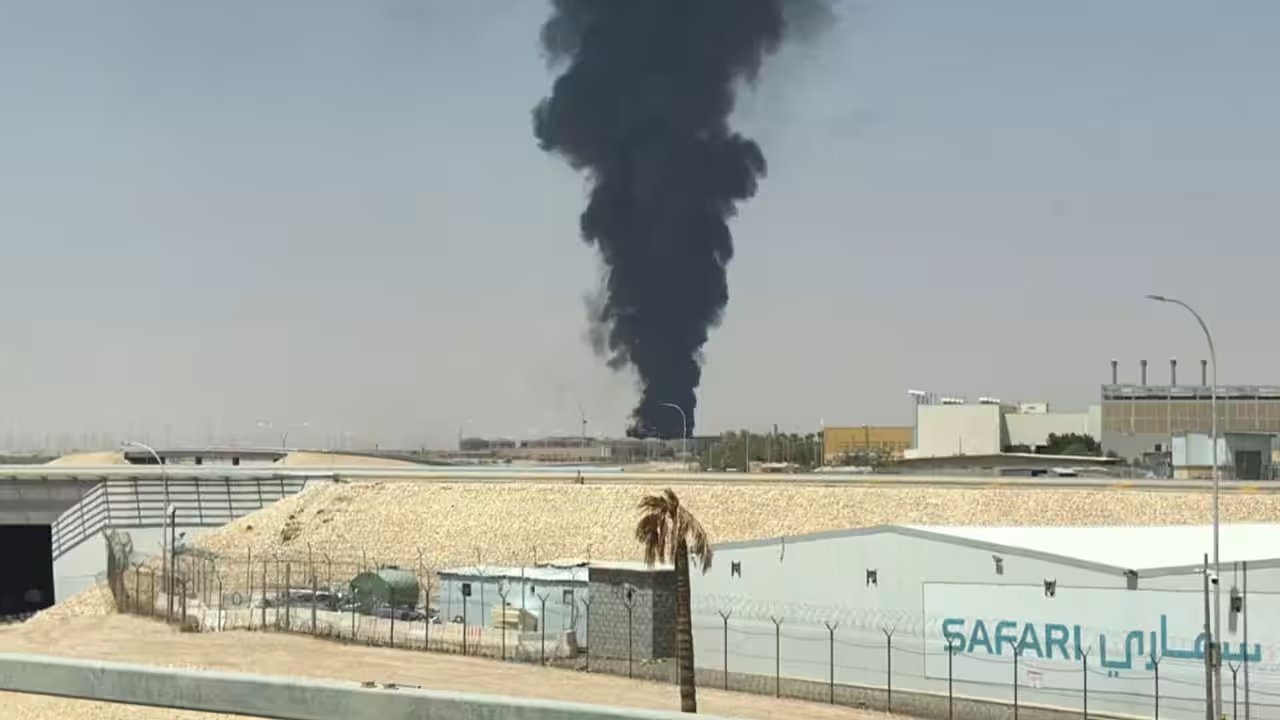
On Monday, Saudi Arabia’s air defence units reportedly intercepted a salvo of 12 ballistic missiles and two drones fired by Yemen’s Houthi rebels toward the Riyadh region. The missiles were launched from Houthi‑held territory in eastern Yemen, and the air force’s early‑warning radar detected them 50 kilometres from the capital, allowing fighter jets to engage and neutralise the threat.
In a separate tweet, Houthi military spokesman Yahya Saree warned airlines, employees and travellers that King Khalid International Airport remains unsafe, calling it a military target. The warning was issued on X following the interception, adding to the chaos surrounding the airport’s partial reopening.
The airport authority announced that Terminal 1 will resume domestic flights from Sunday, while Terminal 2 will handle international flights operated by national carriers. This move is aimed at restoring normalcy amid the ongoing conflict and reassuring passengers and staff.
The coalition also confirmed that it has destroyed 12 missiles and two drones, while Houthi claims of 3,179 airstrikes in the past 24 hours remain unverified. The broader context of the conflict underscores the strategic importance of controlling airspace around Riyadh.