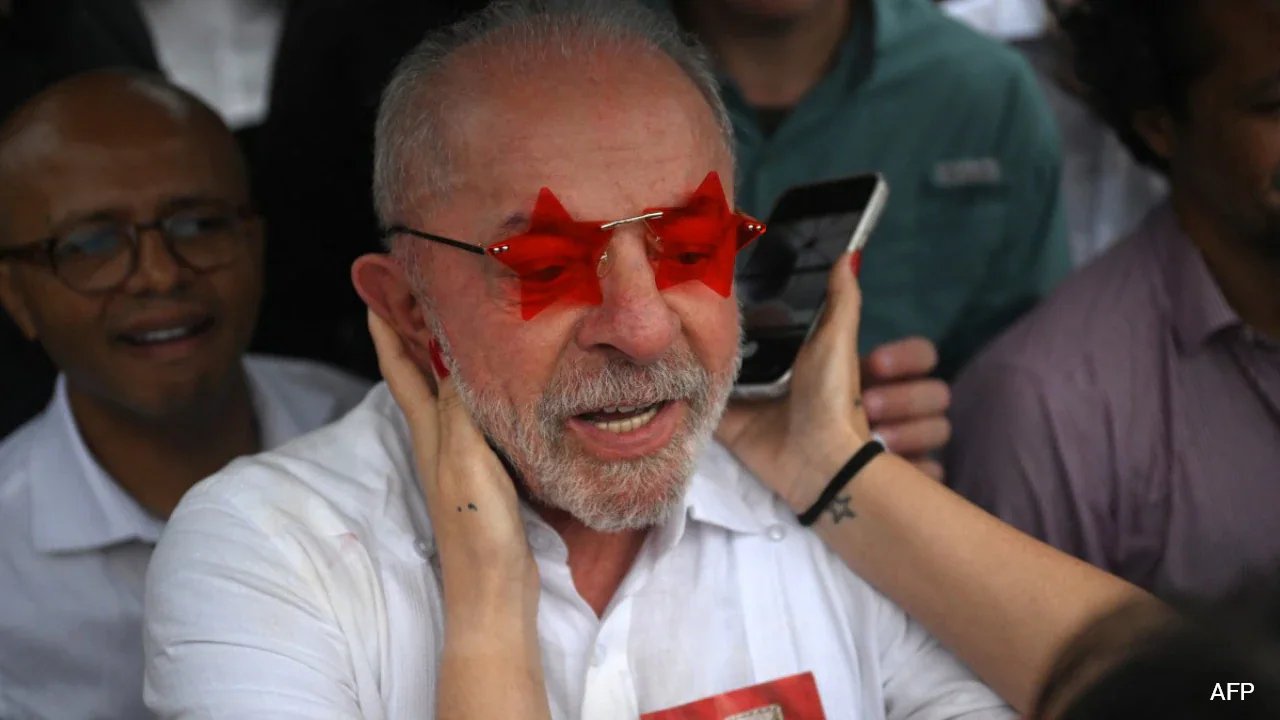
Luiz Inacio Lula da Silva clinched Brazil’s presidential race on May 3, 2026, earning 51.8% of the vote to Flavio Bolsonaro’s 48.2%, a result ratified by the Superior Electoral Court.
Bolsonaro, refusing to concede, blasted the extension of voting hours as unprecedented and demanded an annulment, arguing the results were unacceptably flawed.
Lula’s triumph follows a career that saw him as president from 2003‑2011, a decade‑long jail term that ended in 2019, a 2022 comeback over Jair Bolsonaro, and a third term that cut inflation and lifted millions out of hunger.
The new legislature, dominated by Bolsonaro’s Liberal Party and allies, holds over 280 seats in the lower house and 50 in the Senate, positioning it to challenge Lula’s agenda; Oliver Stuenkel of the Getulio Vargas Foundation warned that this could usher in a period of “lame‑duck” governance.
In São Paulo’s Ipiranga neighborhood, a single mother of two, Maria da Silva, watched the live announcement on her cracked phone, relief flooding her face as she whispered, “Finally, a change.”
Lula is slated to be sworn in on July 1, 2026, facing a Congress that may force him to negotiate hard on his welfare and labor reforms.