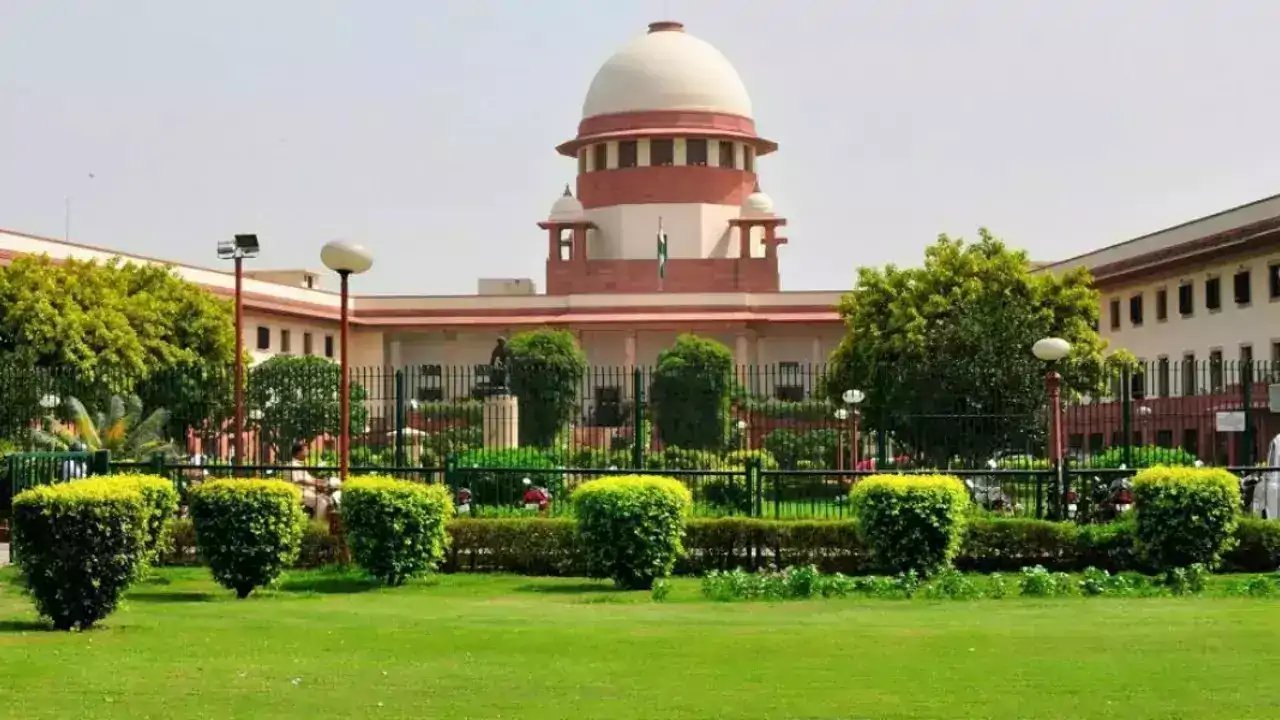
The Supreme Court on Monday initiated a suo motu case after reviewing the spate of rape incidents in Delhi-NCR, including the assault of a minor on a moving sleeper bus. The Bench did not mince words, stating that "expressing solidarity" is insufficient when law enforcement fails to secure basic public spaces. The Court noted that parks and buses have become "zones of high risk" due to a glaring absence of illumination and surveillance.
"One cannot help but draw painful parallels to Nirbhaya incident of 2012," the Court observed, highlighting the stagnation in safety protocols over the last decade. This is not just a procedural step; it is a formal admission that the current administrative framework is failing women in the capital. The judges emphasized that accountability must be fixed, not just mourned.
The order directs the registration of the suo motu case to investigate the specific administrative lapses cited. This moves the issue from the realm of public outrage to judicial oversight. The Court will now likely issue notices to the Delhi Police and local administration, demanding concrete remedial measures rather than vague promises of vigilance. The next hearing will determine the timeline for these structural changes.