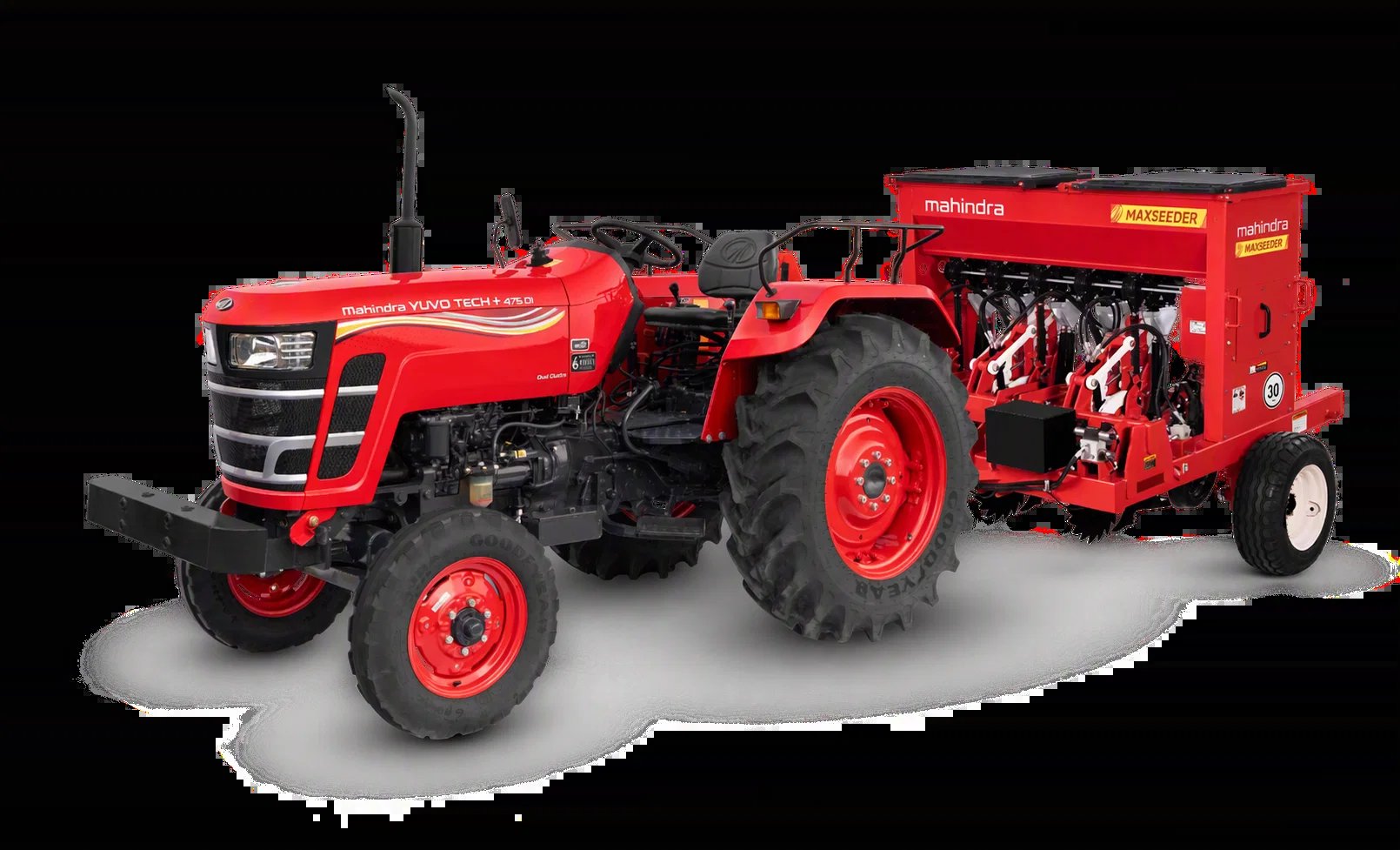
The first machines are rolling out from Mahindra’s Pithampur plant this month, and the only thing that buyers need to know right now is that the MaxSeeder can trail behind any 35‑HP tractor or better.
That’s a big deal because most zero‑till units in India, like the John Deere 5000 series, need 50‑HP or more. With the MaxSeeder, a farmer can keep his older 35‑HP tractor and still get the same soil‑preserving benefits.
The machine isn’t just a cheap tractor‑tied gimmick. It has five independent planting rows, adjustable spacing from 3 to 6 feet, and a smart electronic control unit that meters seeds, DAP and urea exactly where they’re needed. Operators can tweak it all from a phone app, a feature that would be overkill for a small‑scale farmer.
Field trials in Punjab and Haryana showed the MaxSeeder can sow across heavy paddy residue without the stubble‑burn ritual. That means less fuel, fewer passes, and a smaller carbon footprint, all of which resonate with the latest government stubble‑burn ban.
Veejay Nakra, Mahindra’s Farm Equipment head, says the partnership with Clean Seed Technologies brings precision seeding to a price point that Indian farmers can afford. Graeme Lempriere of Clean Seed Capital adds that the start of production marks a milestone in expanding mechanised farming for the country.
The rollout will begin in Punjab and Haryana, then spread to the rest of India by the end of 2026. Watch for pricing details next year and whether the MaxSeeder will hit export markets in Southeast Asia, where zero‑till is gaining traction.