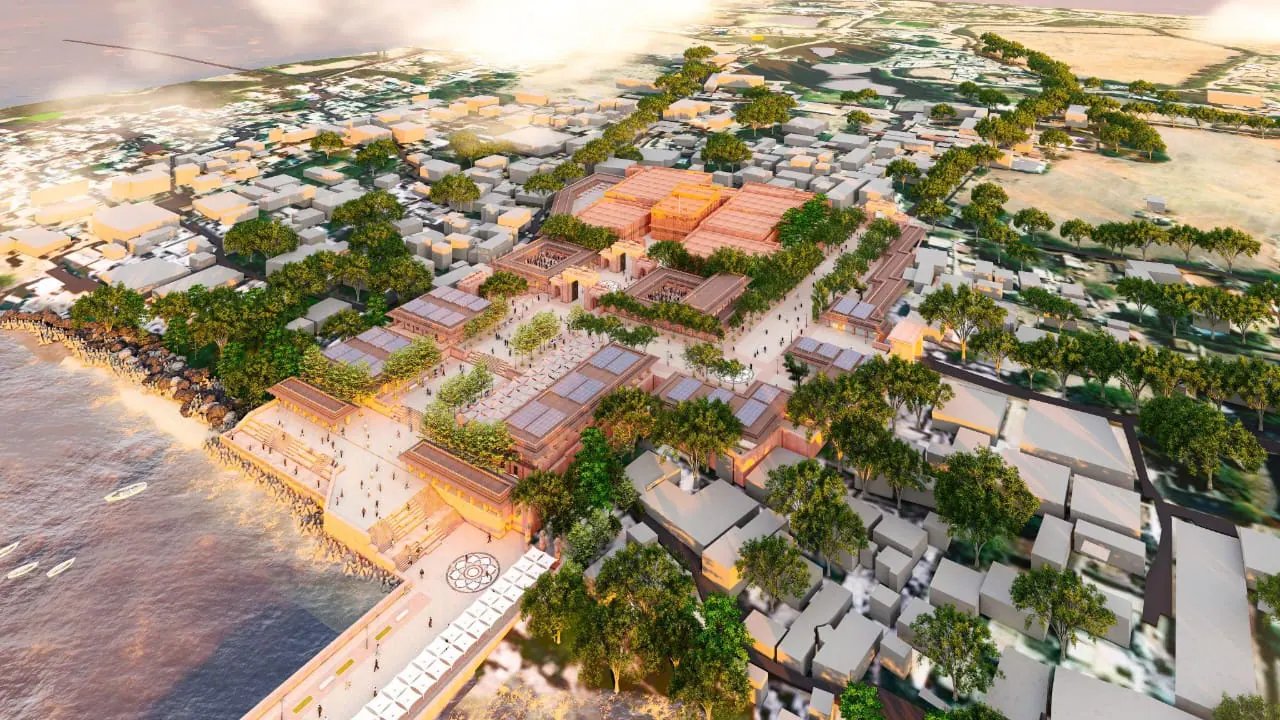
The state revenue department issued a formal notification today, earmarking 31 survey numbers on Bet Dwarka for the corridor. The parcel, covering just over one hectare, will see the Jagatmandir complex cleared to make way for modern infrastructure. Deputy Collector Ravi Patel has been tasked with expediting land clearance and navigating the legal maze.
Sudarshan Setu—India's longest cable‑stayed bridge—now links Okha to Bet Dwarka and cuts travel time by half. At a price tag of ₹1,200 crore, the bridge is a ribbon of steel strung over the Gulf of Kutch, with footpaths etched with verses from the Bhagavad Gita. Its all‑weather road access replaces the century‑old ferry that often stalled in monsoon swells.
Minister of State for Home Harsh Sanghvi warned that any illegal occupation around the shrine would be cleared— "No stone will be left unturned," he told reporters. The anti‑encroachment drive, he said, will prioritize pilgrim welfare and free space for utilities. Legal proceedings are already underway to formalise the land acquisition.
Bet Dwarka is not merely a tourist spot; legends say Lord Krishna once lived there, and the island is where he met his childhood friend Sudama. Every year, pilgrims still bring beaten rice to the shrine—a ritual echoing that ancient generosity. The island's very name, Bet, means "gift", a nod to that story.
Beyond spirituality, planners envision an eco‑tourism corridor showcasing coral reefs, marine life and water sports. Local fishermen, like 55‑year‑old Arjun Patel, hope the project will bring tourism revenue without harming the sea. The state says the initiative will balance economic growth with conservation.
Construction is slated to begin in July 2026, with the first phase targeting the main entrance and pilgrimage pathways. The government will hold a launch ceremony on 15 June to mark the project’s formal kick‑off. Once completed, the corridor should accommodate millions of devotees annually.