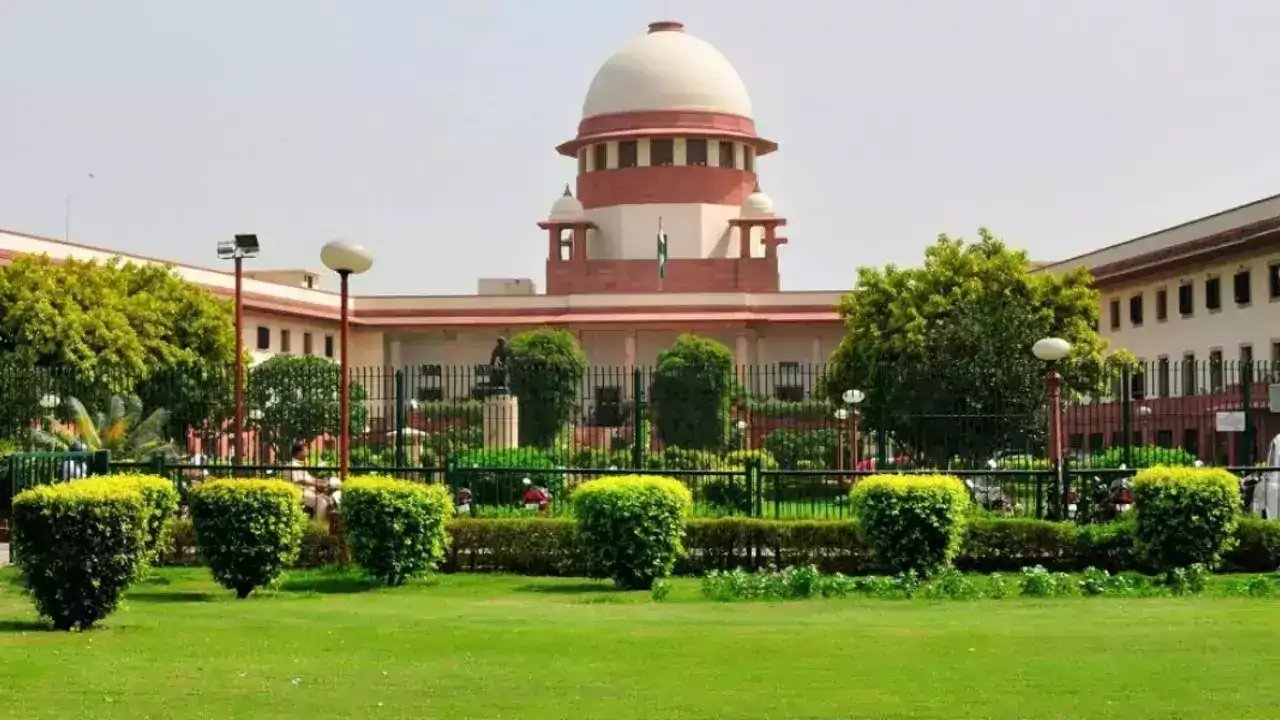
The Supreme Court intervened sharply on Thursday, instructing the Centre to refrain from any coercive measures against a woman journalist who alleges she was physically assaulted by a Delhi Police officer. The ruling came as the bench, comprising Chief Justice Surya Kant and Justice Joymalya Bagchi, heard petitions regarding the violent crackdown during the October 10-11 protests in New Delhi. Senior Advocate Indira Jaisingh, representing the victim, argued that the allegations were severe enough to warrant immediate judicial scrutiny rather than administrative delay.
The Court did not shy away from the operational nightmare of verifying credentials in the modern media landscape. Justice Bagchi remarked that distinguishing accredited press from "everyone who claims to be a journalist under the right to freedom of expression" is a significant hurdle. Solicitor General Tushar Mehta, appearing for the Centre, countered that "anybody with a phone" could now claim the title, citing the proliferation of "reel makers" masquerading as freelance reporters. Yet, Mehta conceded that no woman, including police personnel, should face harassment.
Jaisingh proposed a robust mechanism: a committee of former women judges and IPS officers to examine the sealed-cover report listing multiple women journalists who faced similar mistreatment. The bench, however, narrowed the immediate scope, stating it would restrict proceedings to the specific victim named in the petition to ensure focused justice. "There are specific allegations against certain police officials," the Court observed, signaling that it is actively considering whether an independent investigation agency is necessary to handle these cases impartially.
The proceedings extend far beyond the press. The Court noted four separate petitions involving alleged attacks on lawyers and took cognizance of complaints from hawkers and taxi drivers affected by the protests. Senior Advocate N. Hariharan alleged his client was beaten at a police station, presenting a pen drive with recordings of the incident. The Court’s stance is clear: "Our doors are open for everyone," it stated, while also seeking the return of camera equipment seized by police in a separate plea filed by Senior Advocate C.U. Singh.
The next step is procedural but critical. The Court will seek formal responses from the Union government regarding the alleged assaults on protesters, lawyers, and journalists. This batch of petitions, which also includes claims of non-compliance with earlier directions on protest restrictions, will determine if the judiciary steps in to override the police investigation framework, potentially setting a precedent for how future civic unrest involving the press is handled.