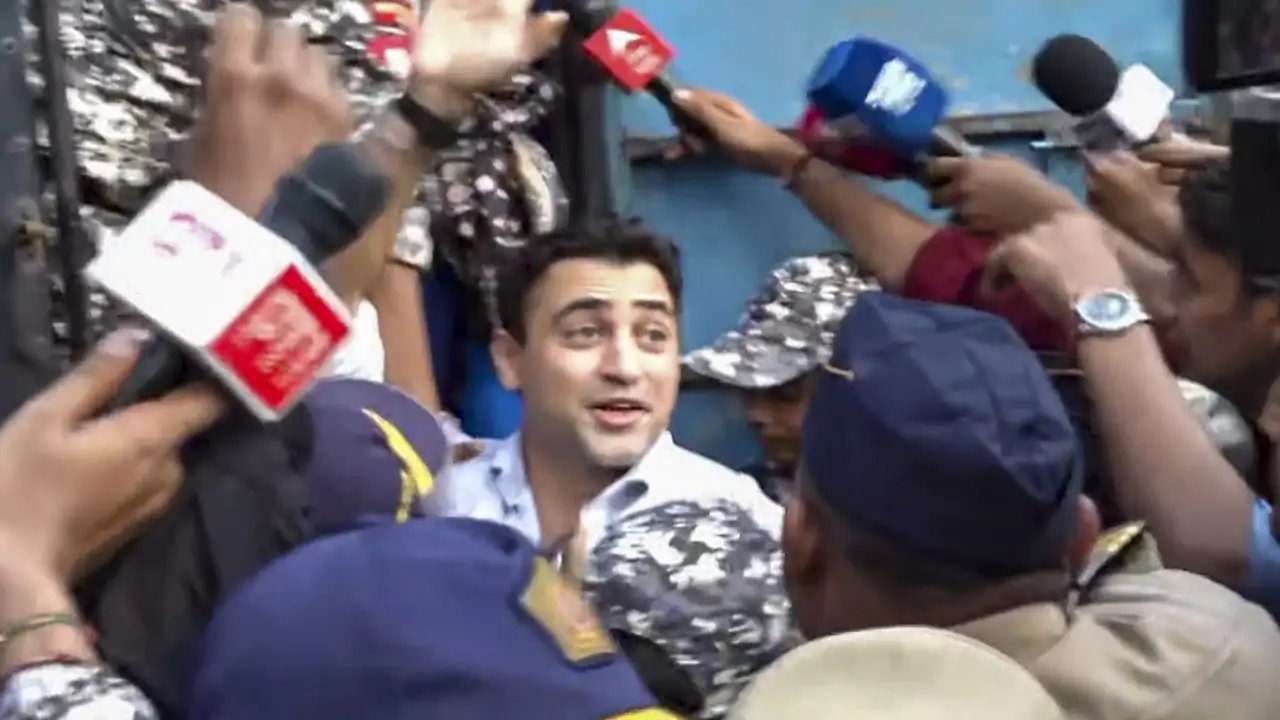
Mumbai Police issued a formal notice on Oct. 28 to Imran Khan, a 43‑year‑old actor and US citizen, ordering him to depart India within 10 days for allegedly violating the Immigration and Foreigners Act after his participation in a demonstration on Oct. 10 at Mumbai’s August Kranti Maidan.
The protest demanded the resignation of Chief Election Commissioner Gyanesh Kumar and attracted a mix of local activists and political dissidents. Khan was briefly detained by police during the rally and later released, but the FRRO said his actions breached Sections 7 and 29 of the Act, which bar foreign nationals from political agitation on Indian soil. According to a police spokesperson, OCI cardholders enjoy a lifelong multiple‑entry visa but no voting rights or entitlement to engage in partisan politics.
Opposition leaders framed the notice as “dictatorial.” Senior Congress figure Nana Patole accused the central government of silencing dissent, while BJP’s Kirit Somaiya filed a complaint urging authorities to deport Khan and other foreign nationals who “defame the country” through protests. The Maharashtra Vikas Aghadi (MVA) also demanded a review of the law that allows OCI holders to stay in India without a guaranteed right to remain.
Khan’s lawyer stated that the actor will file a petition challenging the notice in the Bombay High Court, arguing that the Immigration Act does not prohibit peaceful protest by OCI holders. The court is scheduled to hear the case in early November, and a decision could set a precedent for how foreign nationals with OCI status are treated during political demonstrations.
The case has sparked a national debate on the limits of civic engagement for OCI cardholders, with some civil‑society groups arguing that the law should protect the right to protest while others warn that unchecked political participation could undermine national security. The forthcoming court ruling will likely determine whether the current legal framework can accommodate dissenting voices without contravening immigration statutes.