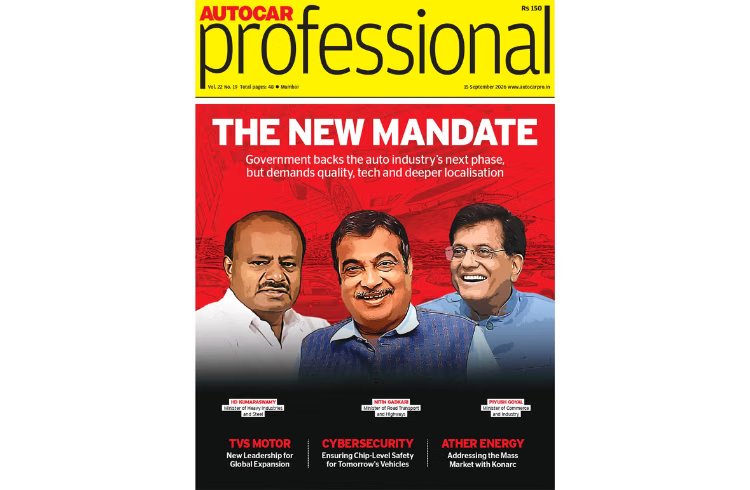
The September 15, 2026 issue of Autocar Professional lands right as the Indian automotive sector braces for the festive season, a period that traditionally dictates the year's financial health. The magazine’s core narrative stems from the recent convention week in New Delhi, where major bodies like SIAM, ACMA, and FADA gathered to align on a single, urgent goal: making Indian cars and bikes viable on the global stage. It’s not just about selling domestically anymore; the pressure from policymakers, including Prime Minister Narendra Modi, is to build products that can compete on cost and technology in international markets. This shift signals a tougher road ahead for manufacturers who have relied too heavily on the home turf.
For the two-wheeler segment, the focus is sharp. The issue includes a candid interview with Hero MotoCorp CEO Harshavardhan Chitale, who outlines the company’s aggressive premium strategy. This is significant because the mid-range scooter and motorcycle segment is getting crowded, and Hero’s ability to move upmarket will define its margin profile in the coming years. In contrast, TVS Motor is navigating a leadership transition, a sensitive phase that the magazine examines for its potential to reshape the company’s next phase. Leadership changes at this scale often signal a strategic reset, and TVS’s next moves will be closely watched by competitors and investors alike.
On the electric front, Ather Energy is facing a classic scaling dilemma. The magazine explores how the company plans to push into the mass market without diluting the tech-led identity that built its brand. This is a tricky balance; going mainstream usually means cutting costs, which can erode the perceived value of an EV. The festive season will be the first real test of this new direction. If Ather can maintain its tech appeal while hitting volume targets, it could set a template for other EV startups struggling with profitability. But if the demand falters, the industry’s broader push for global EV competitiveness takes a hit.
The component industry is also under the microscope, with the magazine highlighting how supply chains are evolving to handle more flexible, demand-driven production. This is crucial because Indian manufacturers are no longer just assembling parts; they are being asked to innovate locally. The edition argues that the industry’s ability to translate its massive scale into sustained global competitiveness is the real story here. It’s a high-stakes transition, and the next few months will reveal whether Indian auto can truly stand on the world’s stage or remain a domestic powerhouse.