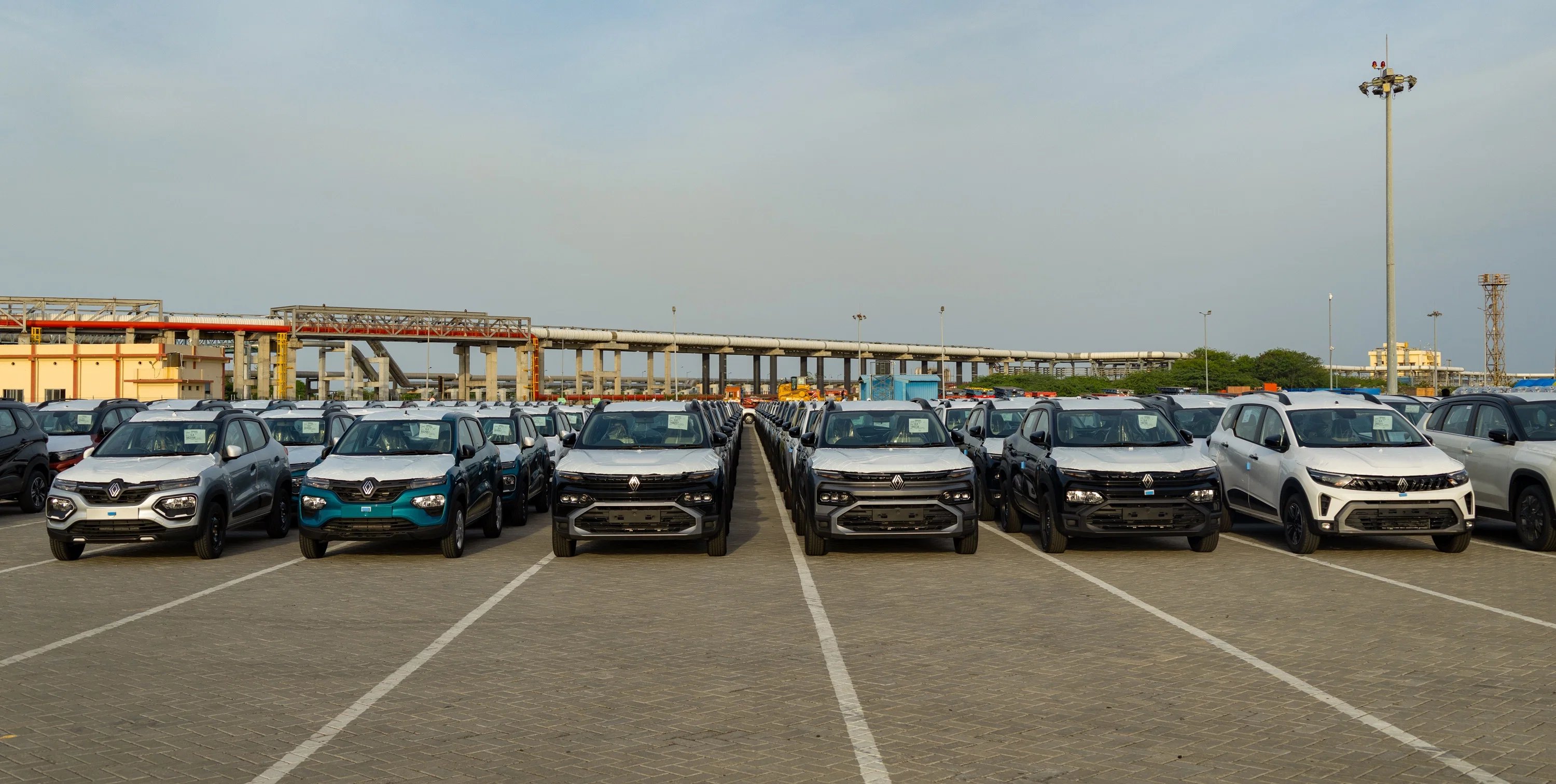
The Chennai plant in Oragadam just fired up its export engine for a new region. Renault India dispatched 100 vehicles—a mix of the all-new Triber, Kwid, and Kiger—to Sri Lanka, marking the brand’s return to the island nation after a period of absence. It is a tangible step toward diversifying where these cars end up, moving beyond the traditional heavyweights like South Africa and Saudi Arabia.
This isn't just about moving metal across the ocean. It’s a strategic bet on the Oragadam facility, which has a massive annual capacity of 480,000 units. With nearly 200,000 vehicles already shipped globally, the company is clearly looking to fill that capacity with international demand rather than just domestic sales. For the buyer in India, this means the factory is running hot, which typically keeps supply chains tight but efficient.
The partnership with local distributor AMW Motors is the linchpin here. Renault isn't just dumping stock; it’s rebuilding a commercial presence. More importantly, they’re planning to introduce the New Duster there. That’s a significant SKU to add, as it pushes the brand into the more lucrative SUV segment in a market where ruggedness often trumps city car practicality. The wider portfolio allows them to compete across multiple price points, not just the entry-level space where the Kwid and Triber usually battle.
Francisco Hidalgo, VP of Sales & Marketing, framed this as strengthening India’s role as an export base. While that sounds corporate, the implication is straightforward: if the cars are made here, they are competitive enough to sell in diverse, emerging markets. The 16-country footprint is a quiet but strong indicator of how much weight the Indian manufacturing arm now carries in Renault’s global playbook. The next move to watch is whether the Duster actually lands in Sri Lanka and how it stacks up against local rivals in terms of off-road capability and pricing.