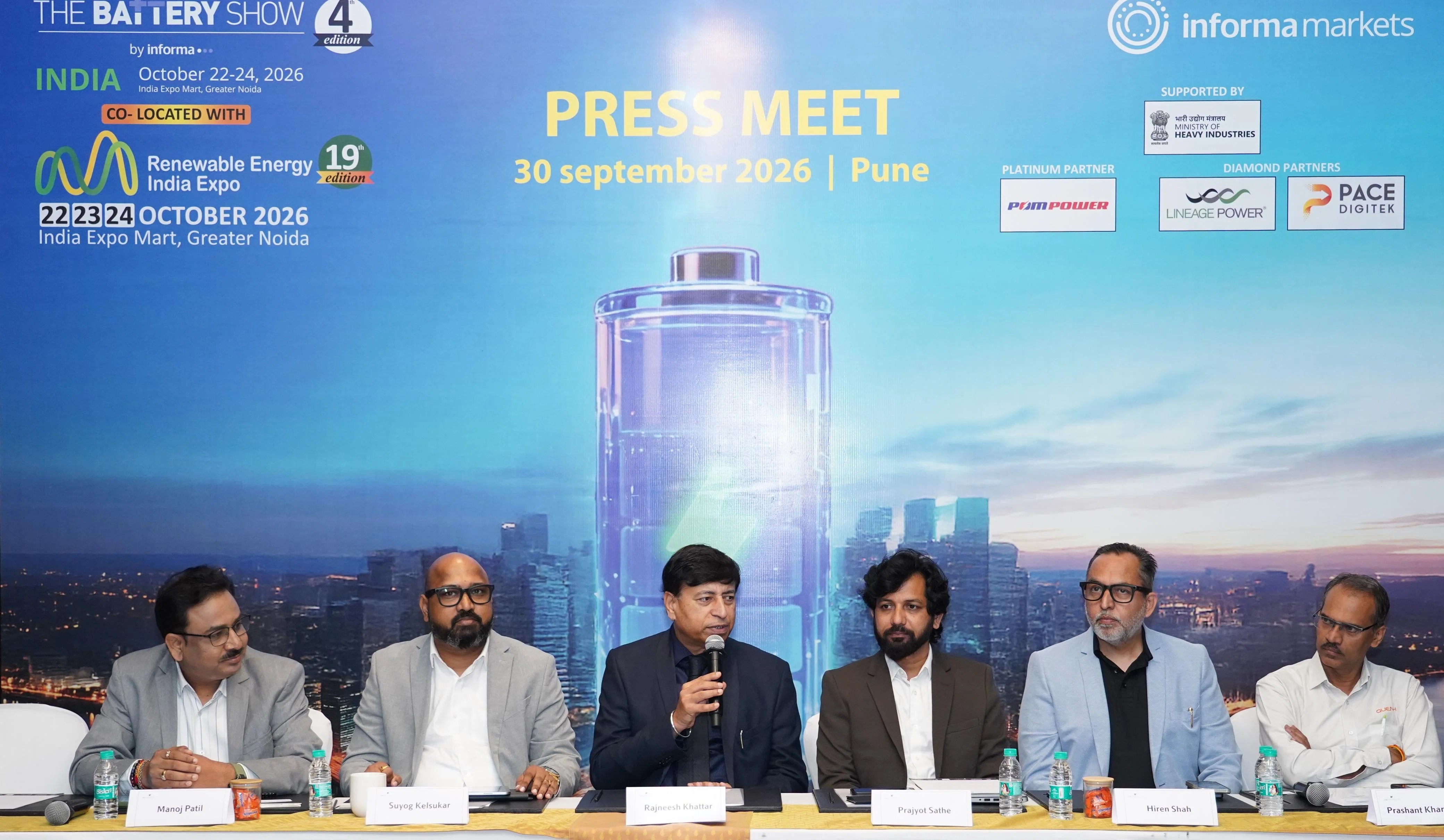
India’s battery industry leaders met in Pune to map out a strategy that could bring battery production in-house by 2026—an outcome that could cut the wait for fully local electric cars and trim costs.
The discussion, led by Rajneesh Khattar of Informa Markets, highlighted that the country’s shift from early EV adopters to mass production demands a full domestic ecosystem. That means building cells, battery management systems, power electronics, testing, safety, recycling and energy storage from scratch, rather than importing most components.
For consumers, the ripple effect is clear: once India can build batteries at scale, the price tag on an EV—especially the battery pack—should fall. It also means Indian brands could offer vehicles with longer ranges, as local production can tailor battery chemistry to climate and usage patterns.
The roadmap aligns with the government’s EV mandates, which push for 30% EV sales by 2030 and offer duty benefits on batteries. As the industry moves towards a 2026 build-out, buyers should watch for new models from Mahindra, Tata, and Hyundai that could benefit from cheaper, homegrown packs.
The fourth edition of the Battery Show India will run from October 22‑24 in Greater Noida, a hub that will showcase both the infrastructure and the vehicles that will ride on these new batteries. Keep an eye on the event for announcements of the first mass‑produced EVs that leverage India’s new battery supply chain.