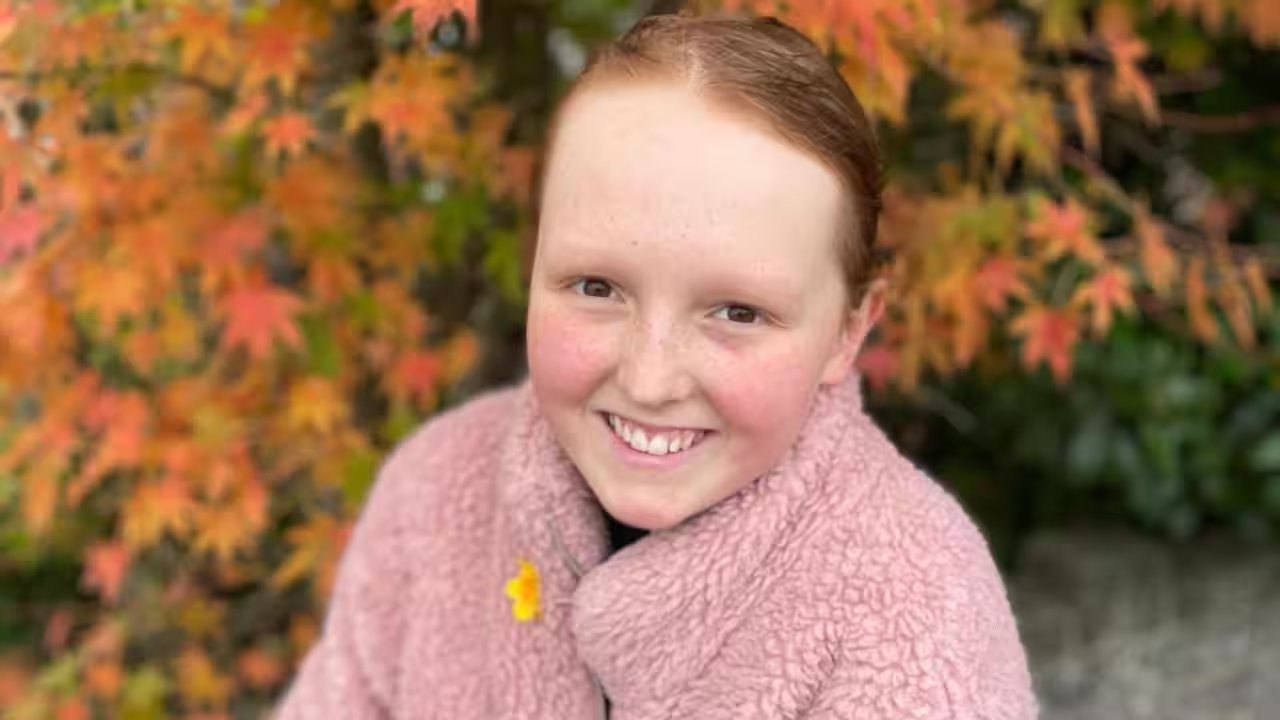
When Kirsty Waugh was diagnosed with a brain tumour last November, she turned her own name into a lifeline—tracking 14,000 other Kirstys across 50 countries and pulling them together on a digital map. The project, called "My Name Is Kirsty," turned a personal crisis into a global network that raised more than £100,000 for children with the same diagnosis.
While the map looks whimsical, the science behind social support is solid. Studies show that a supportive network can lower cortisol, the stress hormone, and even improve immune markers in patients undergoing chemotherapy. The emotional boost from seeing strangers who share your name translates into better sleep, higher appetite, and a more hopeful outlook—all factors that can help the body fight disease.
Kirsty's father, Mat Waugh, explained that seeing names and photos from strangers made her feel "not alone in the hospital." That sense of connection is more than anecdotal; research links reduced loneliness to faster recovery times and fewer complications during treatment. The map also gave Kirsty a tangible goal beyond hospital appointments, turning each new entry into a small victory for her spirit.
The creative side of the campaign—crocheting banners, making bunting, and sharing photos—acts as a form of expressive therapy. Therapists note that engaging in art reduces anxiety and can help regulate breathing, which is useful during chemotherapy sessions. The act of creating something tangible can also anchor a child’s thoughts, steering them away from intrusive worries.
Parents can replicate this approach by inviting children to join or start an online club, or by crafting simple projects that bring them joy. Before starting any new activity, it’s wise to check with the oncologist to ensure the child’s energy levels and medical regimen allow for it. A supportive, creative outlet can become a vital part of a child’s recovery toolbox.