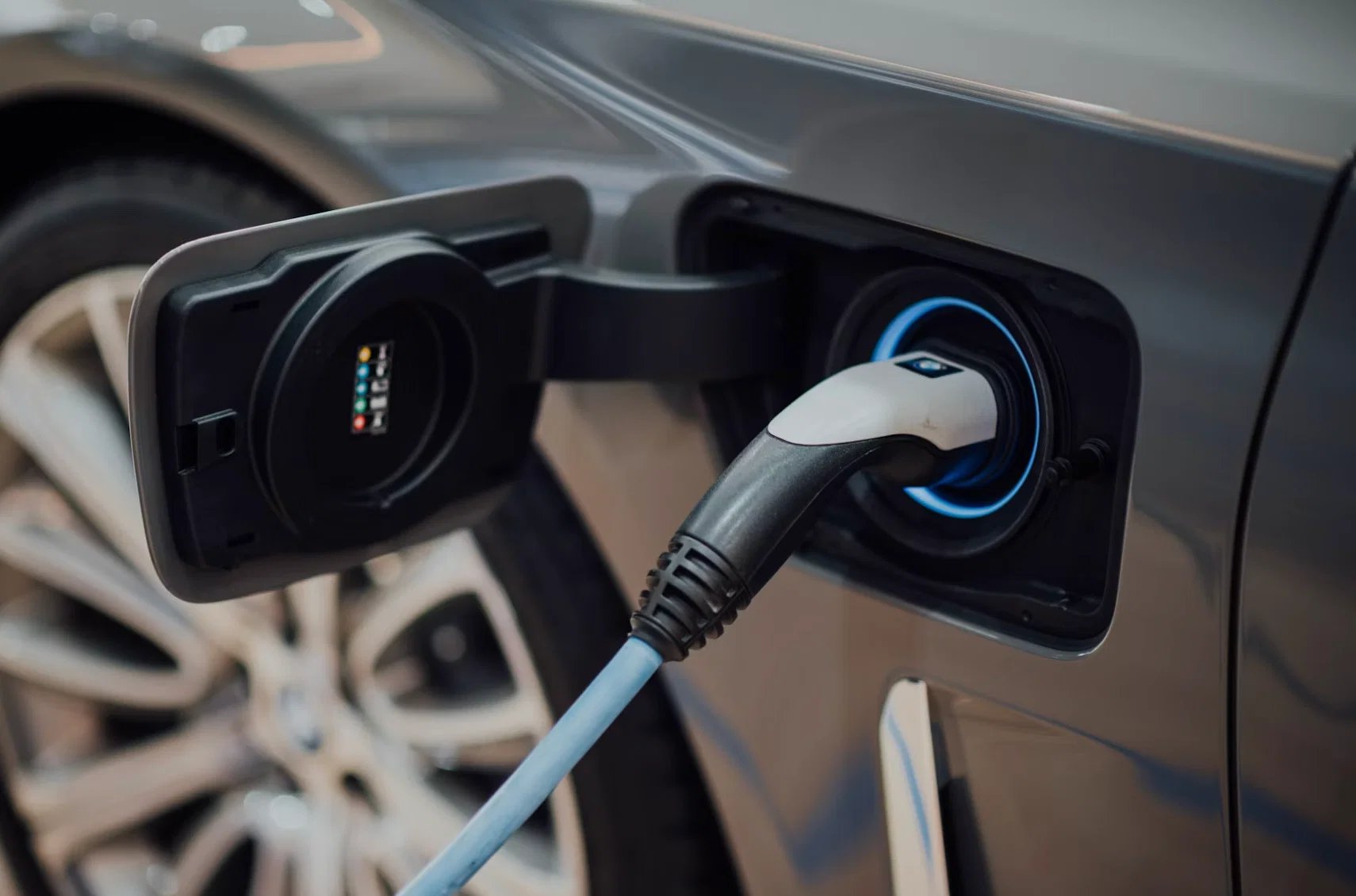
EV insurance claims average ₹41,543, a 14% bump over the ₹36,185 that ICE cars pull in, per Policybazaar’s latest figures. For someone eyeing an electric ride, that extra cost translates into higher out‑of‑pocket bills when a mishap strikes.
The steep rise is largely a battery thing. Batteries are expensive, and a lot of the electronics and cooling systems that keep them humming are imported. Add a little water damage or a collision and the repair shop is looking at parts that can double the cost of a conventional engine‑based fix.
Because of that, 80% of EV owners are now bundling at least two add‑ons. Battery protection has jumped from 51% to 70% in the last six months, while zero depreciation, roadside assistance and consumables cover are also a staple. ICE buyers fall a touch behind, with 77% and 75% respectively.
Body style matters, too. SUVs top the list with 31 claims per 100 insured vehicles, followed by hatchbacks at 28 and sedans at 26. The higher numbers for SUVs are blamed on underbody, tyre and suspension damage – all things that hit the road harder.
Seasonal weather pushes the numbers up a notch. During monsoon months the average claim climbs to nearly ₹65,000, a 25% jump from the rest of the year. Flooding, waterlogging and sudden power surges are the main culprits.
Regionally, East India sees the most activity with 41 claims per 100 EVs, while South India is down at 27. Tier‑II cities are a touch more accident‑prone than their Tier‑I counterparts, a trend that insurers are keeping close tabs on.
For buyers, the takeaway is clear: insurance is a bigger part of the EV budget than it is for ICE cars, and battery protection is becoming a norm. Keep an eye on how providers adjust premiums as the market digests these numbers.