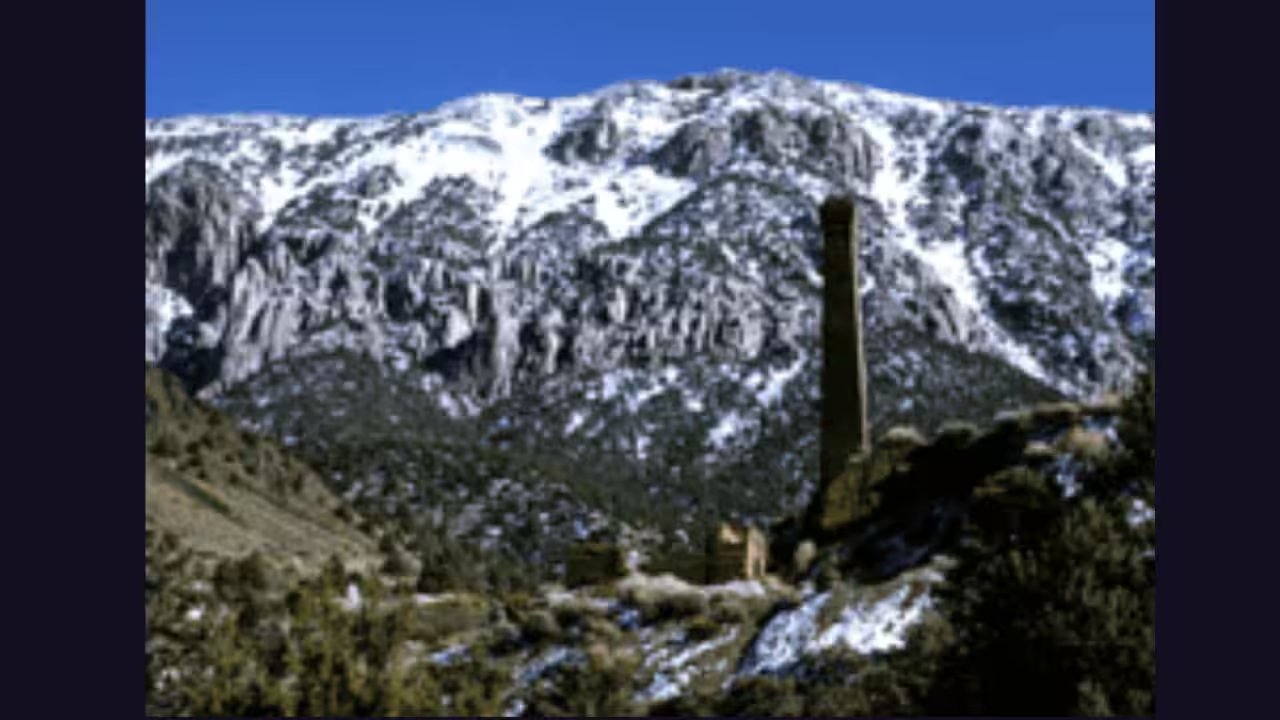
When copper was struck in Greenwater, California in 1905, the town swelled to 2,000 residents in just a few years. The surge came from prospectors drawn by the promise of quick wealth in the Death Valley desert.
Water had to be hauled in from distant springs and sold for $15 a barrel, a price that strained the fledgling economy. According to the National Park Service, the cost of water reflected the harsh logistics of sustaining a mining community in an arid landscape.
Mining never turned a profit, and by 1909 the operations had collapsed. The National Park Service notes that the lack of profitability left workers with no source of income, prompting a swift exodus to other mining fronts.
With the mines empty, the town emptied too; today no structures remain at the former site, which now lies off Greenwater Valley gravel road. The absence of ruins underscores how quickly resource‑driven settlements can vanish.
Greenwater’s brief history serves as a cautionary tale for modern desert mining projects, reminding investors that logistics and sustainable yields are as critical as ore quality.