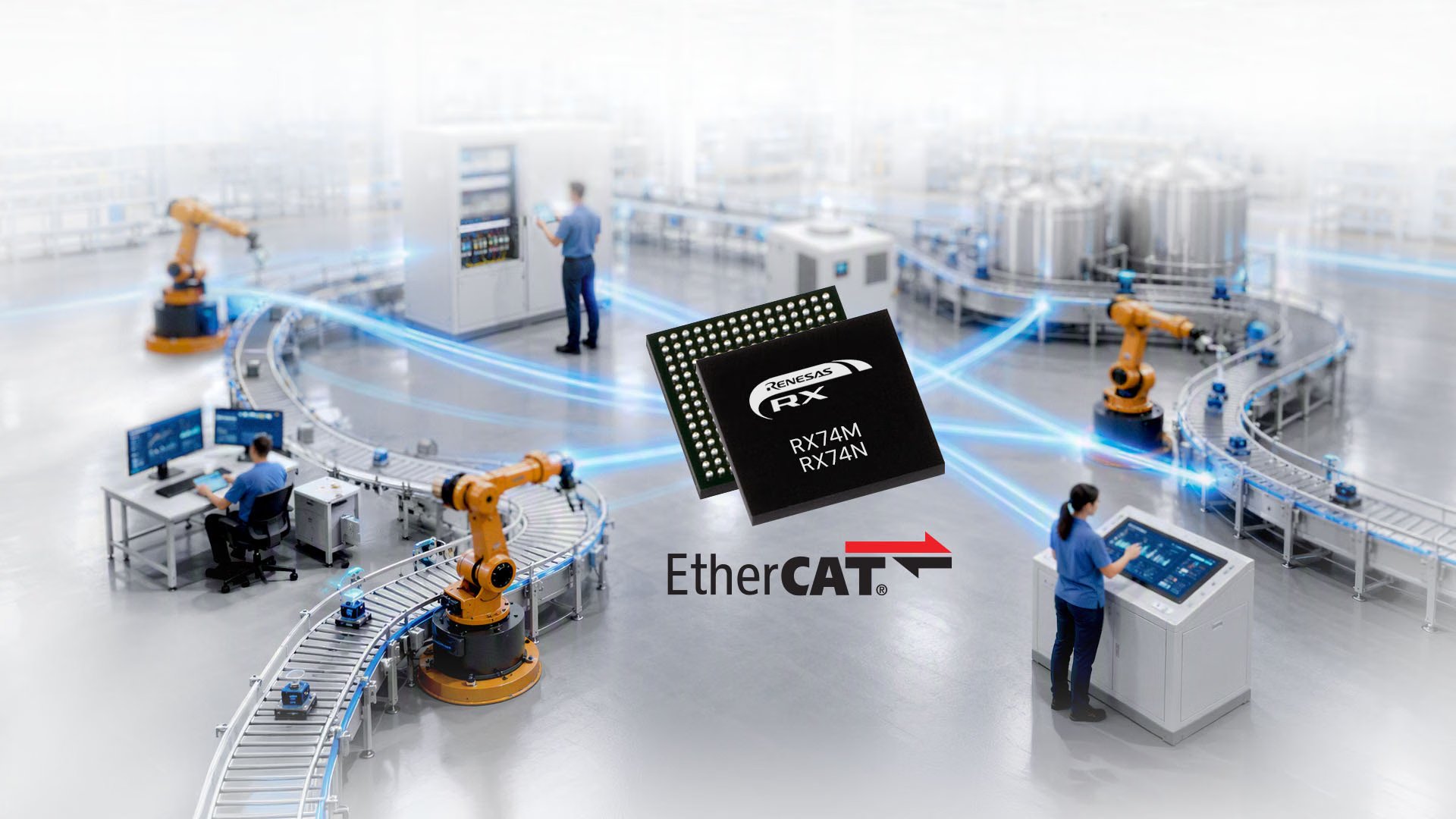
600 MHz is the headline number. The RXv3e core in both the RX74M and RX74N is now running at 600 MHz, a full two‑fold jump over the 240 MHz cores that powered the RX72M and RX72N. For engineers, that means more than just a faster clock; it translates into quicker data processing for sensor fusion, higher resolution infotainment graphics, and tighter real‑time control loops in ADAS modules.
The memory architecture keeps the MCUs lean yet powerful. Each chip packs 1 MB of MRAM for non‑volatile storage, 256 KB of zero‑wait‑state TCM for ultra‑fast instruction fetch, and 1.5 MB of SRAM for volatile workloads. Together, these buffers keep the core fed during bursty automotive workloads, reducing latency compared to the older 512 KB MRAM and 512 KB SRAM pair.
Security comes as a core feature, not an add‑on. Renesas has embedded ProtectZone hardware and updated its Secure IP to support post‑quantum cryptography algorithms, fully aligning with the European Cyber Resilience Act. For car builders, this means the MCU can handle secure over‑the‑air updates, encrypted telematics, and compliance with tightening data‑protection mandates without extra modules.
Yoshi Ishikawa, Senior Director of Renesas’ EP Advanced MCU Business Division, summed it up: "Industrial equipment development requires advanced real‑time performance, diverse networking, and robust security. By integrating these into a single chip, the new products simplify the design of increasingly complex industrial equipment and support the evolution of automation." In automotive terms, that translates to quicker time‑to‑market for next‑gen drivetrains, safer autonomous systems, and fewer board‑level components.
Automakers and Tier‑1 suppliers will likely pick up the RX74 series next year as they roll out more software‑heavy vehicles. The 600 MHz core, combined with ample on‑chip memory and hardened security, positions the MCU as a drop‑in replacement for older 240 MHz units in safety‑critical modules. Buyers should watch how quickly Renault‑Stellantis, Hyundai‑Kia, and other OEMs integrate Renesas chips into their production lines, as that will signal the broader industry shift toward higher‑performance, secure microcontrollers.