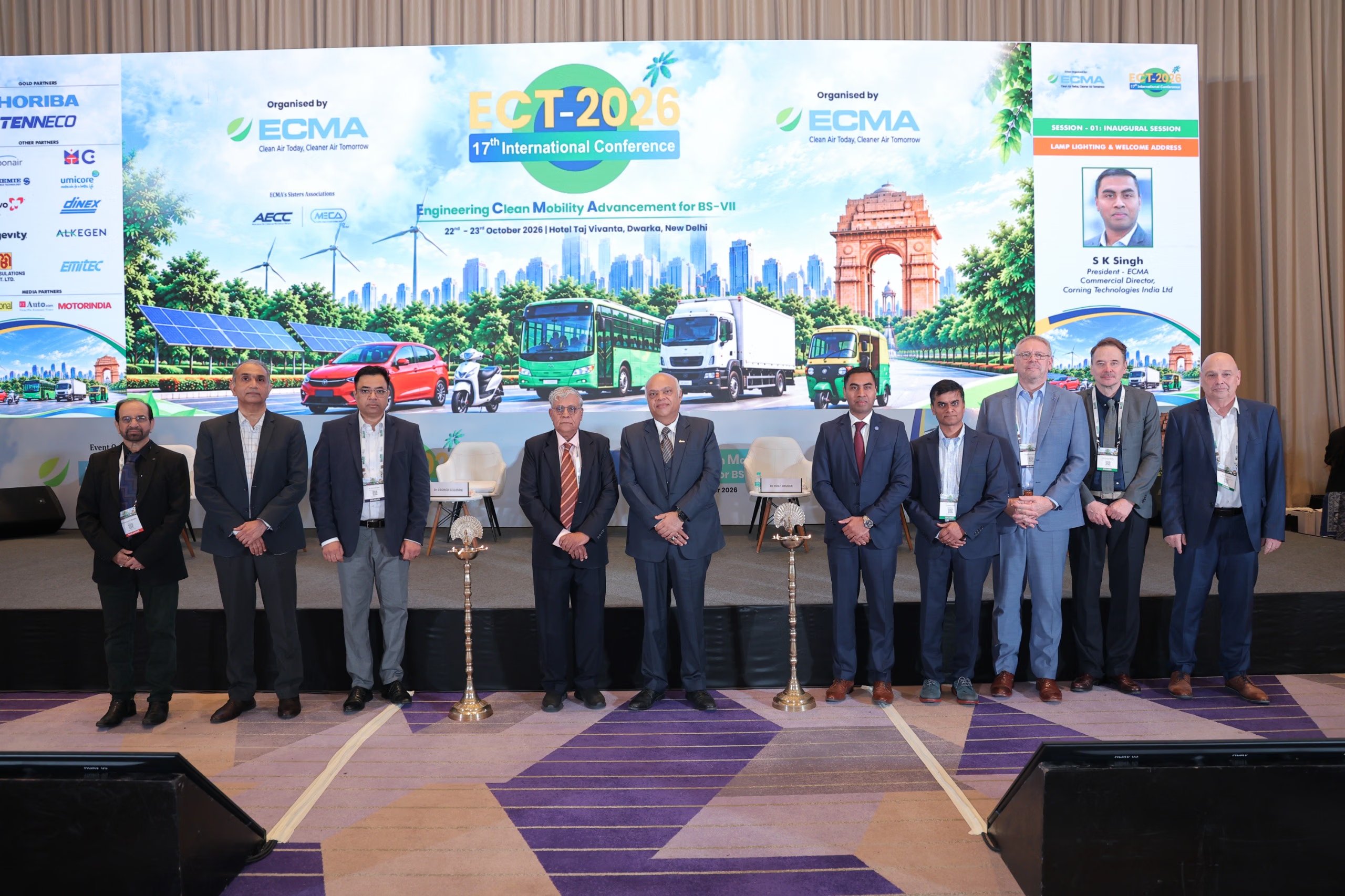
The 17th ECMA International Conference on Emission Control Technologies will convene on Oct 22‑23, 2026 at Hotel Taj Vivanta in Dwarka, New Delhi.
The theme, ‘Engineering Clean Mobility Advancements for BS‑VII’, signals that the meeting will go beyond tail‑pipe numbers. ECMA’s brief notes that the discussion will cover real‑world emissions, onboard monitoring and lifecycle sustainability.
For the average Indian driver, this means the next generation of cars will need to prove cleaner not just in lab tests but during everyday use. The new BS‑VII limits will require tighter control of CO₂ and NOx, plus real‑time data logging that manufacturers will have to embed in each vehicle.
The cost pressure is real. To meet the tougher rules, automakers are likely to adopt advanced combustion engines, hybrid powertrains, hydrogen and bio‑fuel options, and sophisticated digital monitoring modules. All of these components add expense, and the price tag on a new model could rise by 5‑10 percent compared with the current BS‑VI‑equipped lineup.
ECMA, representing 21 global emission‑control manufacturers in India, sits at the intersection of policy and production. The conference will also feature panels under the Ministry’s Standing Committee on Emission Legislation (SCOE) and the Automotive Industry Standards Committee (AISC), anchoring the technical talks in the legislative framework.
Buyers should keep an eye on the policy timeline. While the conference will set the technical agenda, the final BS‑VII rulebook is expected to be released next year. The immediate next step is to watch how manufacturers announce price adjustments and new power‑train options in the coming months.