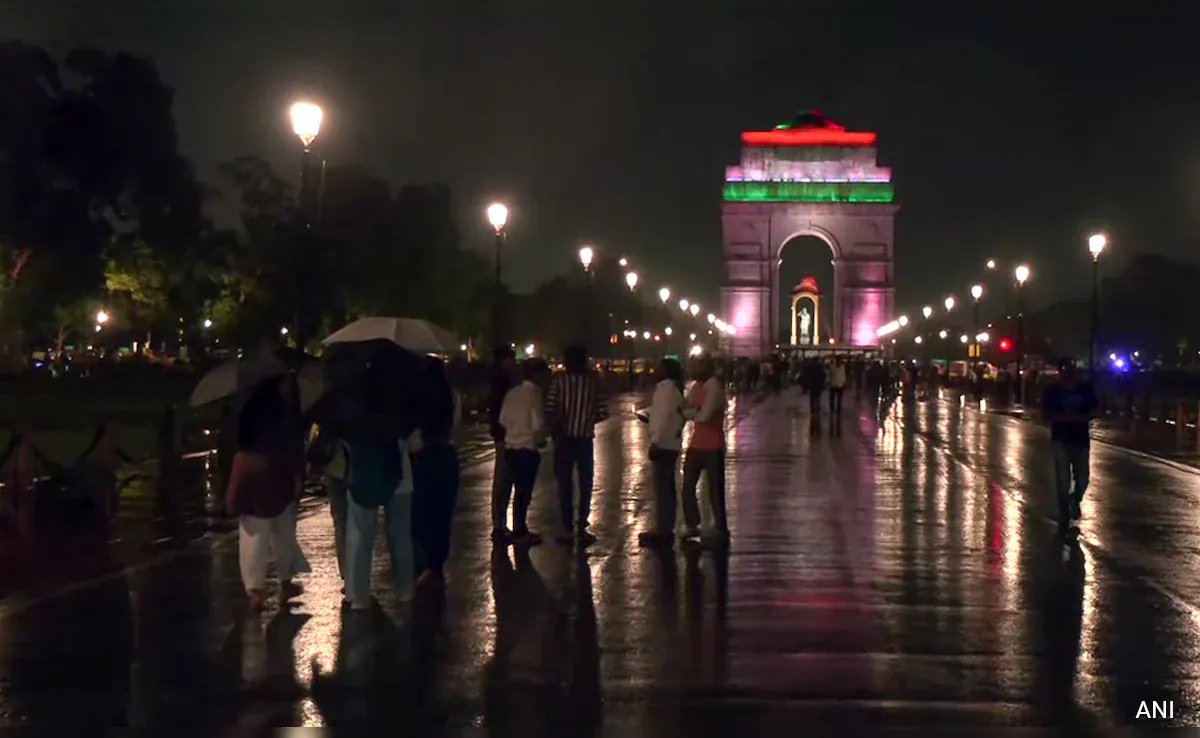
The ground shook in Chamoli at 10:20 PM sharp. But the ripple effect reached far beyond the Himalayan foothills, jolting residents in Delhi and its suburbs. For many in the capital, the tremor was brief but unmistakable—a sudden lurch that sent people rushing to balconies and streets.
The National Center for Seismology (NCS) logged the event at magnitude 4.9, centered at 30.103 N, 79.561 E, with a focal depth of just 13 kilometers. That shallow depth explains why the shaking was perceptible hundreds of kilometers away. Director Dr. Jitendra Singh’s office quickly verified the data, silencing the initial wave of unverified reports that flooded Twitter and WhatsApp.
In the gap between the quake and the official alert, panic ran ahead of facts. Social media users in Delhi posted shaky videos of swaying chandeliers and rattling windows, asking, “Did anyone else feel that?” By 10:40 PM, the NCS confirmation brought a measure of relief. No immediate damage reports emerged from Chamoli or Delhi, though local authorities in Uttarakhand remained on high alert for aftershocks.
The event underscores the persistent seismic vulnerability of the region. Uttarakhand lies in Seismic Zone V, the highest risk category. While 4.9 is moderate, the proximity to populated urban centers like Delhi transforms even moderate quakes into public safety events. The next 24 hours will be critical as seismologists monitor for secondary tremors that could trigger landslides in the fragile Chamoli terrain.