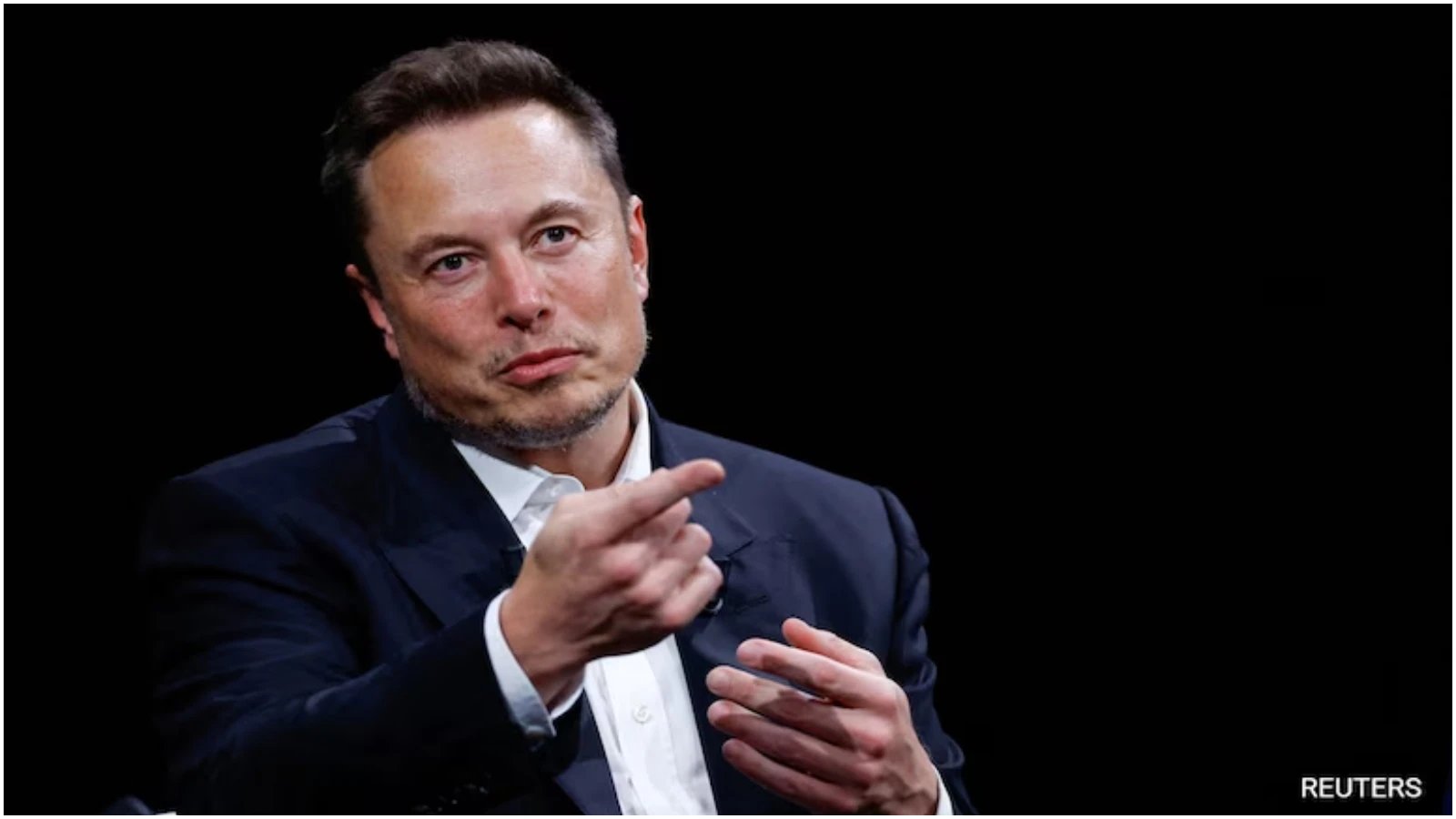
Elon Musk’s Thursday tweets accusing India of blocking Starlink sparked a verbal spat with the telecom ministry, which denied any selective treatment. The ministry earlier warned that demonstrating compliance with security norms is mandatory for every satcom licencee.
The telecom ministry said it has granted licences to three operators—Starlink, Jio Satcom and OneWeb—but all three must complete a security assessment by the Ministry of Home Affairs before they can receive spectrum allocations. "The issue is pending with MHA for security clearance," said Minister of State for Communications Chandra Sekhar Pemmasani.
Musk countered claims that militants in Manipur had used Starlink, asserting that the satellite’s beams were switched off over India and could not have been used for any illicit purpose. He also alleged that “certain oligarchs” were blocking Starlink to protect a monopolistic chokehold on the Indian market.
Starlink has built 20 gateway sites across India, with hundreds of antennas, and has set up controls to keep Indian user data within the country. SpaceX’s vice‑president for Starlink operations, Lauren Dreyer, said the company is ready to launch once regulatory hurdles are cleared.
The dispute highlights India’s effort to expand connectivity while enforcing stringent security and data‑protection rules. In a remote village in Rajasthan, a farmer hopes that satellite broadband will finally bring high‑speed internet to his community.
The licence will be granted once security clearance is achieved, allowing Starlink to begin commercial services—a development that could transform connectivity in underserved regions.