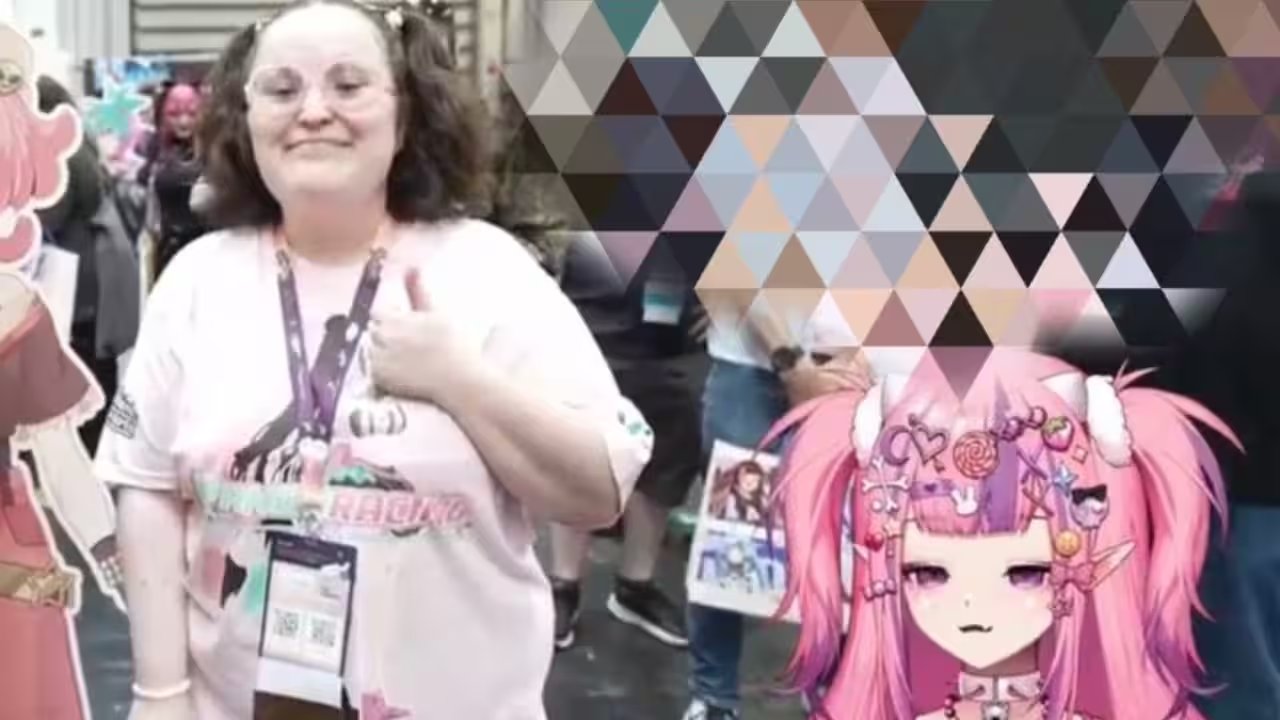
Moogdayo’s face slid onto X on Sept. 19 like a surprise dessert at midnight: a glossy, unfiltered visage that had never graced her streams of horror‑game skits and ice‑cream‑themed art. Her channel, a modest 1,500‑follower niche, had been all avatar and voice—now it’s a full‑on human moment.
The spark came a day earlier, when a 28‑second clip from VExpo in the UK caught her eye as she approached Connor “CDawgVA” Colquhoun and Ironmouse. The clip, shared by the duo, shows her asking for a photo and spotting a cardboard cutout of her own avatar—an absurdly meta moment that felt like a nod from the virtual to the real.
Word spread faster than a meme, but not all comments were sugar‑coated. Trolls flooded the thread with snide remarks about her hair, face shape, and even the shade of her eyes. In the same breath, fans rallied, posting support and memes that screamed, “Your face is art, not a statistic.”
CDawgVA, who’d been on the receiving end of the harassment, took to X himself. He called the platform a “hellscape” and charged the trolls for their cruelty, insisting that the real world is kinder. His post, peppered with humor and a touch of defiance, urged Moogdayo to keep sharing, framing the incident as a wake‑up call for digital empathy.
Face reveals are a rite of passage for VTubers, yet they’re fraught with risk. When a creator strips off their mask, they’re not just trading pixels for pixels—they’re handing over a piece of their soul to a hungry audience. Moogdayo’s experience—both the viral love and the vitriol—highlights how fragile that boundary can be.
What’s next? As the dust settles, Moog and her community seem poised to double down on authenticity, while the debate over online civility remains. For fans, the takeaway is clear: every reveal is a new story, and every story deserves a respectful audience.