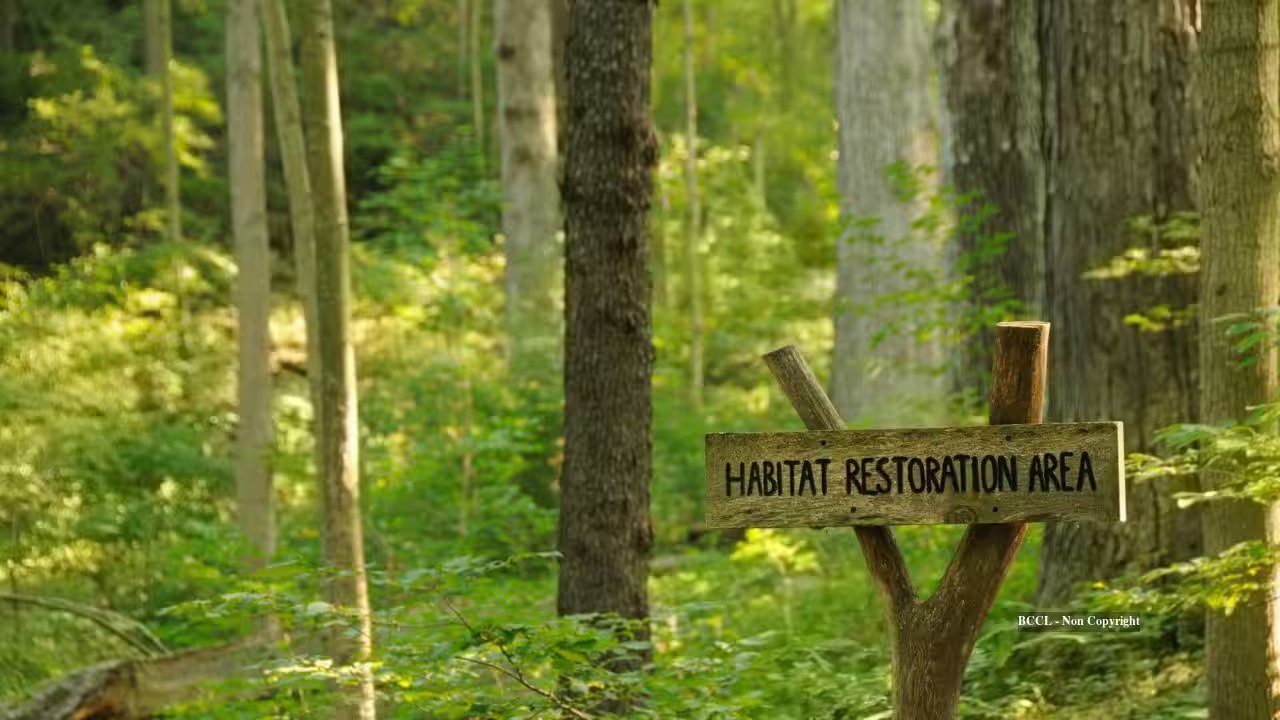
Crews are already pulling honeysuckle, privet, and burning bush from the undergrowth at French Park, clearing the way for what Cincinnati Parks Director Jason Barron calls the city’s most significant reforestation project in almost 100 years. The work, funded by an anonymous $1.8 million donation, targets 228 acres of forest across the 280-acre Amberley Village site. It is not just about aesthetics; the dense invasive growth has choked out native vegetation, leaving wildlife without food and shelter and rendering parts of the woods nearly impassable for hikers.
The money buys more than just shovels and saplings. It secures a dedicated Natural Resource Specialist to oversee the five-year plan, ensuring that once invasive species are ripped out, native trees actually take root and survive. Barron noted that a forest can look thick and green while being ecologically dead, with aggressive species dominating the understory and starving young native saplings of sunlight and water. This is why the project focuses on restoring the entire ecosystem, not just planting a few ornamental trees.
Residents of Amberley Village know the park well. It is a hub for community events, hiking, and quiet walks along creeks and meadows. But the invasion of non-native plants has degraded the experience, blocking sightlines and confusing the natural structure of the woodland. The restoration aims to fix this, creating a healthier landscape that supports local birds and insects while remaining welcoming to the public. The Cincinnati Parks Foundation sees this as a blueprint. If French Park succeeds, the methods used here could be replicated in other struggling urban forests across the city.
The first phase is underway now, with a focus on removal and immediate habitat improvement. New native trees will be planted to create a mix of age groups, from young saplings to mature giants, ensuring the forest remains resilient for decades. It will take years to see the full effect, as forest restoration is a slow, subtle process. But the groundwork is laid. The city will monitor the cleared areas closely to prevent invasive species from returning, a constant battle in urban ecology. The next major milestone is the full integration of the new native plantings, expected to transform the park's biodiversity within the five-year window of the grant.