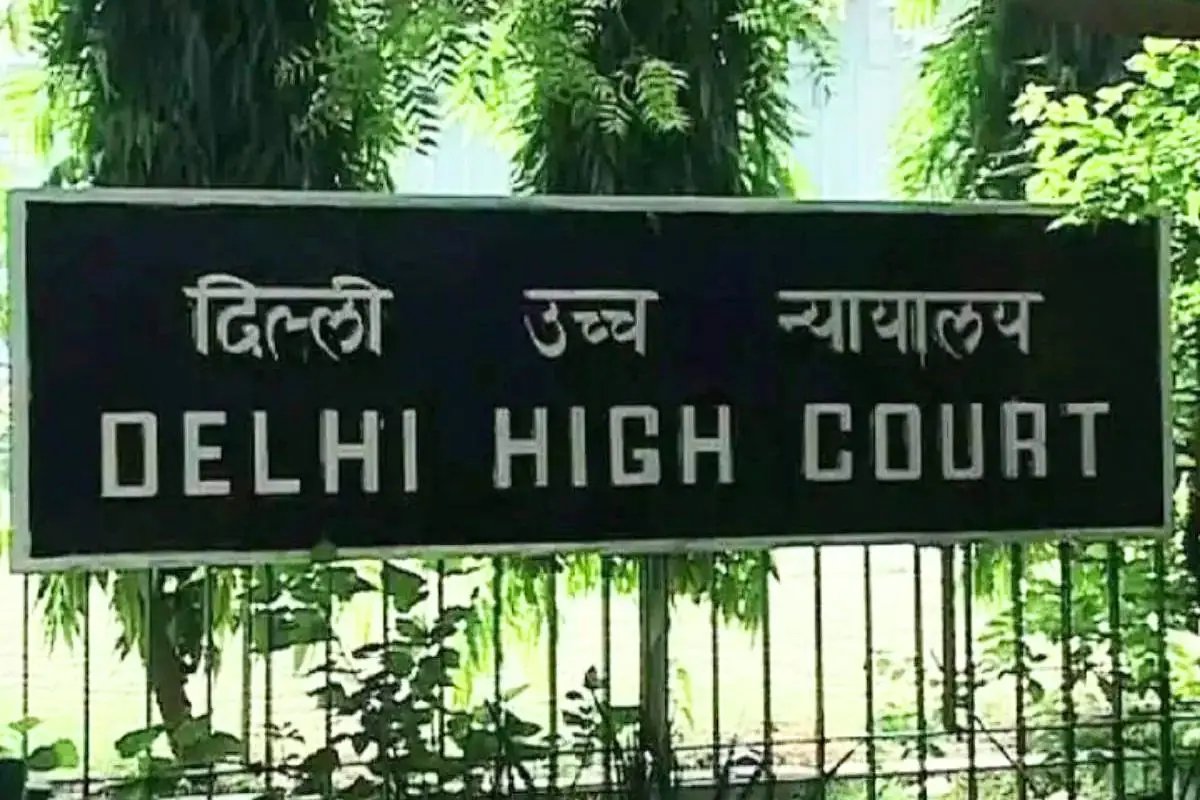
Chief Justice Devendra Kumar Upadhyaya and Justice Tejas Karia sat on a division bench that delivered a 90‑minute judgment upholding the Delhi Maintenance and Welfare of Parents and Senior Citizens Rules, 2009. The decision was announced on Tuesday.
The court held that Rule 22(3)(1)(i) and (iv) fall squarely within the framework of the Senior Citizens Act, 2007, citing Sections 32 and 22 for procedural and protective authority.
The ruling was prompted by a plea from Punam, a daughter‑in‑law, who challenged a Divisional Commissioner order that required her to vacate her mother‑in‑law’s Delhi residence. Punam had earlier sought a residence order under the Protection of Women from Domestic Violence Act, 2005, for a shared household at Gautam Nagar.
Examining the overlap with the Domestic Violence Act, the bench noted that while the Act guarantees a woman’s right to reside in a shared home, that right is not absolute when the senior citizen’s right to peaceful living is at stake. It ruled that the senior citizen’s peaceful life cannot be overridden without a balanced consideration.
The court rejected the argument that Rule 22(3)(1) could not be applied to a daughter‑in‑law, reaffirming that ‘legal heirs’ includes all familial relations. It also dismissed earlier claims that the eviction process must be linked to maintenance proceedings.
The Divisional Commissioner’s eviction order was upheld, and the writ petition was dismissed without costs. The judge noted that Punam, who earns a substantial income and owns a separate house, had no legitimate claim to the 1,200‑sq‑ft property. The mother‑in‑law, 68, will remain in her home, protected from the family dispute.