Indian car buyers will notice that 1.55 crore vehicles changed hands in the first half of FY27, a 21% jump from last year’s 1.29 crore. That figure sits on a ledger of 25.36 million registrations in September alone, up 4.69% from August.
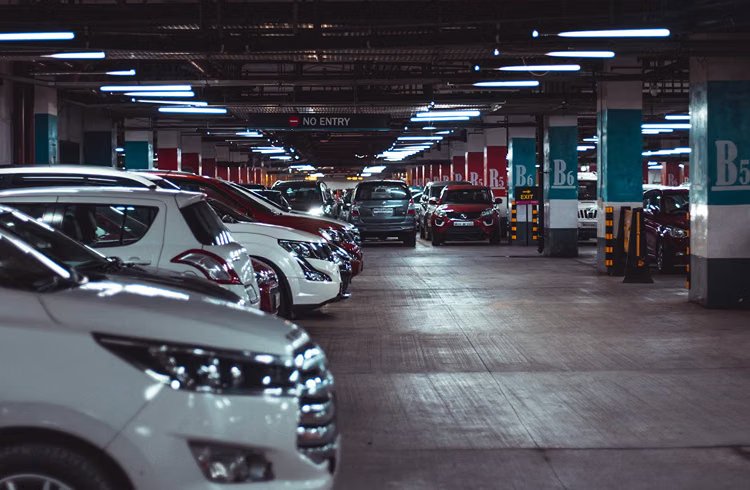
But more than the headline numbers, the industry is staring at a stockpile problem. Passenger‑vehicle inventories have ballooned to 43–45 days, more than double the 21‑day benchmark that FADA recommends. Dealers say that the spike in September, at 31.82% YoY, was helped by a low base after the GST 2.0 roll‑out, so the growth looks inflated.
Still, Sai Giridhar, FADA president, sees the festive season as a double‑edged sword. He argues that a healthy build‑up before the Diwali rush ensures customers can choose from a wide range, yet warns that inventories should not stay above 30 days once the holidays are over. If they do, OEMs will be forced to slash prices or offer deep discounts, eroding dealer profit.
Supply‑chain hiccups are already showing their bite, especially in the EV segment. Waiting times for new models have stretched from 3 to 8 months, while freight costs are jumping 2‑3× due to a shortage of ships and containers. Higher repo rates are also creeping into EMIs, which could dampen demand for premium models.
On the rural front, the market is less tied to farm income than before. Two‑wheelers, passenger cars and commercial vehicles are all seeing stronger sales despite a 13‑14% deficit in rainfall. Tractor sales, which had a spectacular start, are expected to steady out in the coming months.
Finally, OEMs have nudged prices upward, but affordability remains a key lever. In a still‑growing economy, buyers seem willing to absorb the hike, at least for now. The real test will be whether the post‑Diwali inventory cycle can be pulled back to 27‑30 days without triggering a price war. Dealers will be watching the October delivery numbers closely as the festive wave ebbs.