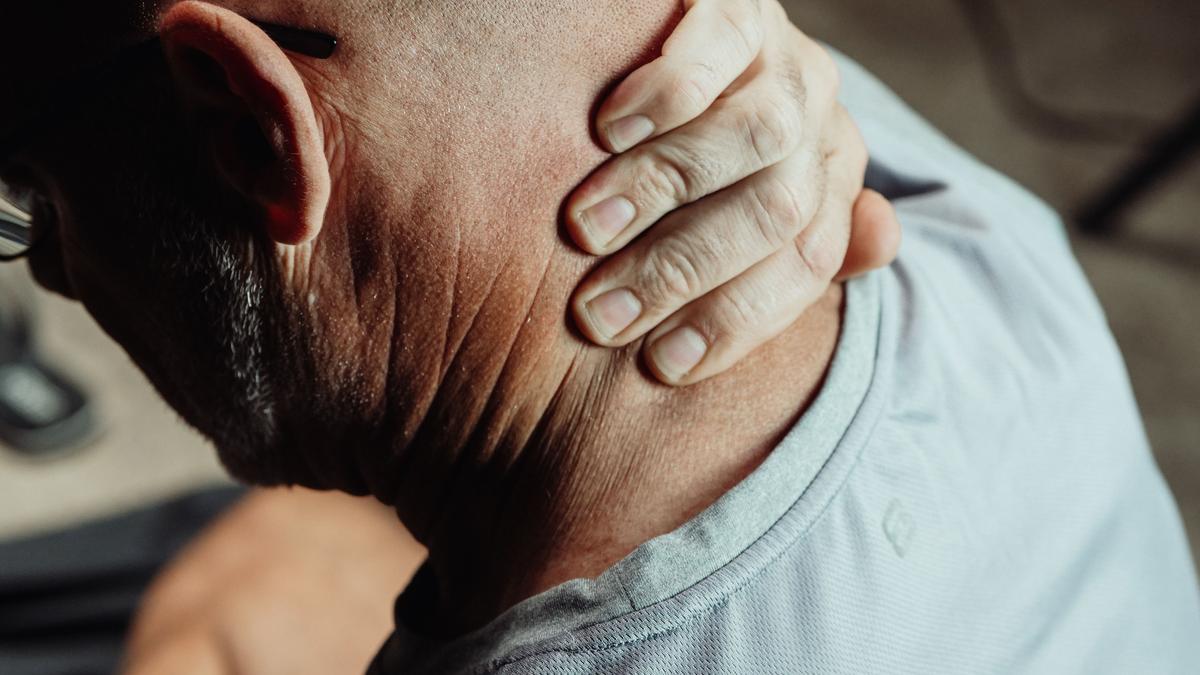
Physical agony does not wait for old age. It strikes hardest when adults shoulder their heaviest working burdens.
A massive international analysis led by McGill University in Canada reveals that physical pain routinely peaks during active working years rather than in elderly life. The team evaluated self-reported pain records from 6.1 million individuals across 118 countries, tracking participants aged 5 to 100 between 1995 and 2005. The findings, published in the journal Nature Medicine, upend widespread clinical assumptions about the trajectory of human aches.
The world's premier baseline for tracking public health—the Global Burden of Diseases study—monitors dozens of disease indicators across the globe. Yet it leaves out pain, despite pain standing as a leading cause of physical disability worldwide.
The reason comes down to diagnostics. No blood panel, imaging scan, or chemical test can measure hurt.
For pain, there are no medical biomarkers and the best we can do is to ask a person about their subjective experience," said Matthew Fillingim, a lead researcher at McGill University.
To crack that limitation, Dr. Fillingim assembled 98 researchers across 63 institutions worldwide. Together, they combed through a decade of standardized subjective pain submissions, mapping out how discomfort shifts across nine distinct decades of human life.
| Metric / Parameter | Research Detail |
|---|---|
| Global Sample Size | 6.1 million individuals |
| Geographic Scope | 118 countries |
| Age Range Tracked | 5 to 100 years |
| Timeline of Data Collection | 1995–2005 |
| Research Collaboration | 99 scientists from 63 institutions |
|---|---|
| Publishing Journal | Nature Medicine |
Pain defies a single age curve. Instead of climbing steadily until death, the intensity of physical discomfort surges mid-life, placing massive structural strain on the global workforce. Mid-career adults battle occupational wear, sustained postural fatigue, and heavy mental strain—forces that compound physical aches long before retirement arrives.
Physicians and workplace health planners must adapt. The research emphasizes that early clinical intervention during prime earning decades offers the best window to halt irreversible physical decline.