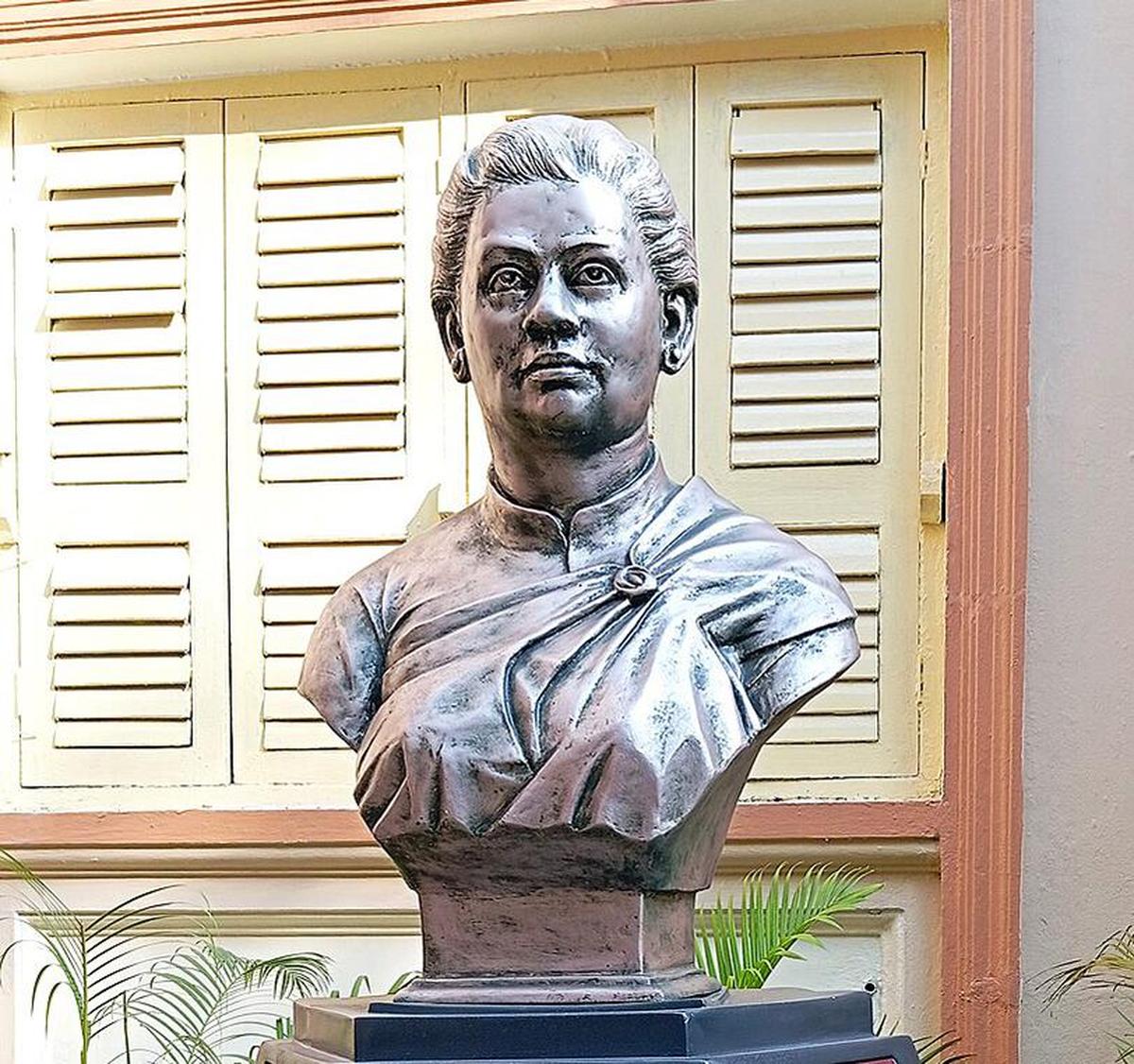
Colonial medicine belonged to men. Kadambini Ganguly tore that monopoly apart. In 1886, she earned her Graduate of Bengal Medical College degree, defying institutional resistance to become the first Indian woman licensed to practice Western medicine. Two years later, around 1888, she took charge of clinical wards at Kolkata’s Lady Dufferin Hospital, drawing a monthly salary of ₹300. Her clinical breakthrough broke open the closed doors of South Asian healthcare.
Born in 1861 to Brahmo reformer and headmaster Braja Kishore Basu, Ganguly grew up in a society that systematically barred girls from school. Her father pushed back against orthodoxy. He enrolled her first at the Brahmo Eden Female School, then transferred her to AirNews Mahila Vidyalaya. She seized the opportunity. Ganguly cleared the University of Calcutta entrance examination—the first woman ever to do so. In 1882, alongside Chandramukhi Basu, she cleared her Bachelor of Arts degree examination, standing together as the first female graduates in British India.
Undergraduate arts laurels did not satisfy her. She wanted a stethoscope. Calcutta Medical College admitted her grudgingly, and when an examination deficit of just a couple of marks blocked her from the BMC certificate, she refused to fold. Ganguly pushed forward, clinching the GBMC credential instead. That parchment changed Indian medicine. Soon, high-ranking households sought her diagnostic skill—taking her as far as Nepal to treat British royalty.
Clinical rounds did not displace her home life. In 1883, she married Dwarakanath Ganguly, an outspoken Brahmo educator, journalist, and reformer who campaigned for women's emancipation. She raised eight children while maintaining an active medical docket, mastering delicate needlework when evening clinical shifts ended. Conservative society declared that running a home and treating patients was an impossible balance. She proved them wrong daily.
Hospital authority soon propelled her into national political advocacy. When the Indian National Congress held its Fifth Session in Bombay around 1899, Ganguly won election as one of its first female delegates. The very next year, she took the podium as the first woman speaker to address the Congress floor. Her leadership expanded quickly: she served as president of the Transvaal Indian Association—founded by Mahatma Gandhi’s associate Henry Pollock—presided over the General Brahmo Samaj session in Calcutta, and organized within the city's Women's Conference.
Alongside contemporaries like Anandibai Joshi, Ganguly established that modern public health cannot exist without female doctors on the frontlines. Her career proved that clinical competence belongs to merit rather than gender, leaving behind an enduring legacy for every woman who steps into an Indian hospital ward today.