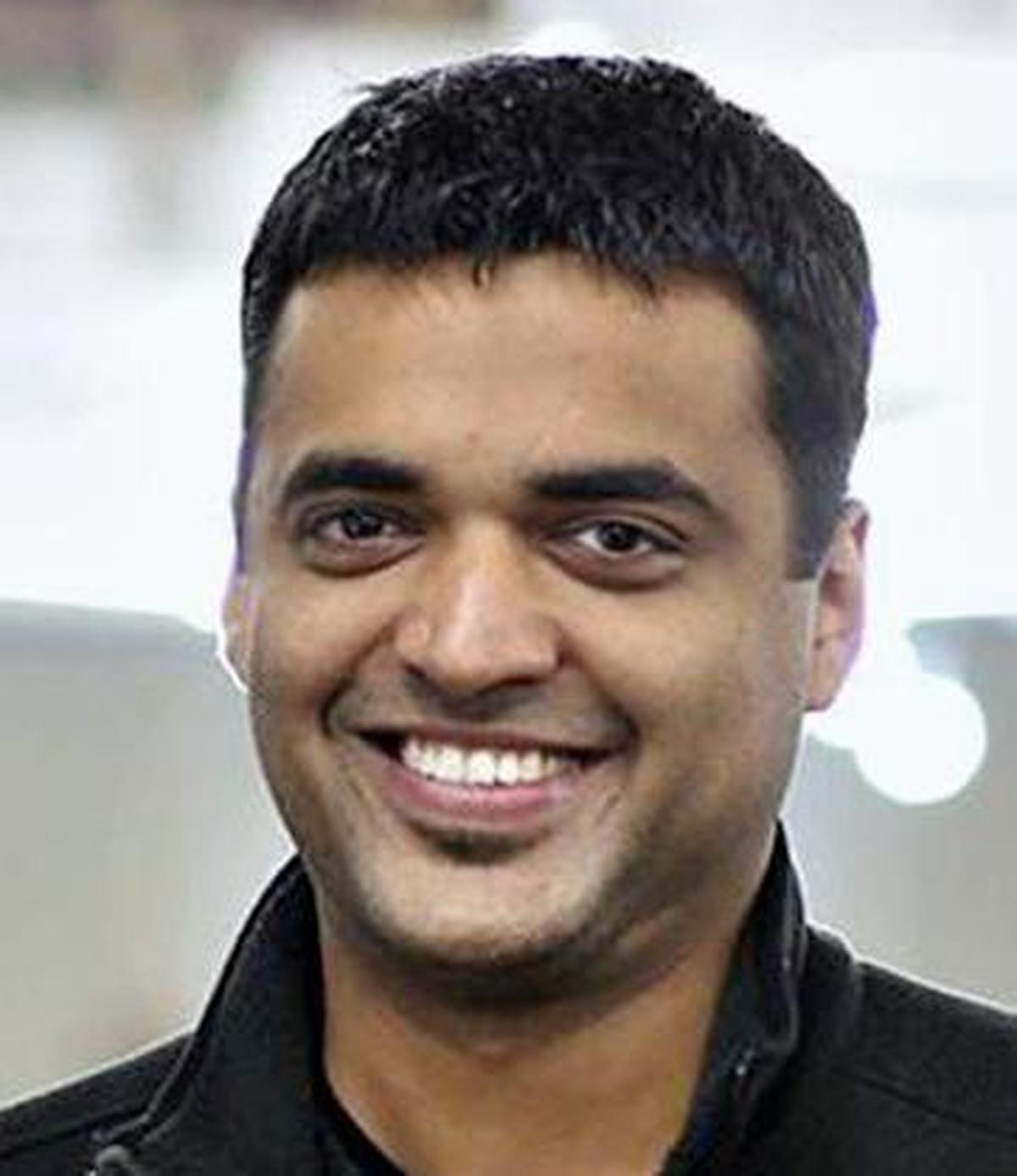
Can a consumer sensor strapped to your body unlock the secrets of your brain?
Deepinder Goyal thinks so. The billionaire co-founder of Zomato and Blinkit has launched commercial sales of Temple, a wearable monitoring device he claims could become "Humanity’s last personal device." But medical professionals are pushing back hard against the venture.
Physicians moved quickly to dispute the product's scientific standing. Cyriac Abby Philips, a prominent physician known publicly as LiverDoc, slammed the device, describing it directly as a "scam." The central grievance among clinicians centers on biological reality—specifically, whether an over-the-counter gadget can capture meaningful data on what happens inside the human skull. Goyal graduated in Mathematics and Computer Science from the Indian Institute of Technology Delhi, but carries no academic background or clinical training in medical sciences or biological research.
Monitoring cardiovascular metrics or skin temperature through consumer electronics is well-established. Decoding the brain is an entirely different frontier. Clinical neurology requires specialized electroencephalograms and advanced neuroimaging, tools carefully calibrated to filter out muscle movement and ambient electrical interference. Doctors warn that without peer-reviewed validation, claims that wearable sensors can interpret brain health risk misleading users seeking actionable cognitive insights.
Consumers evaluating biometric devices must separate aggressive marketing from verified medical diagnostics. Anyone concerned about neurological symptoms, sleep disorders, or cognitive performance should consult a certified physician rather than rely on untested consumer hardware.