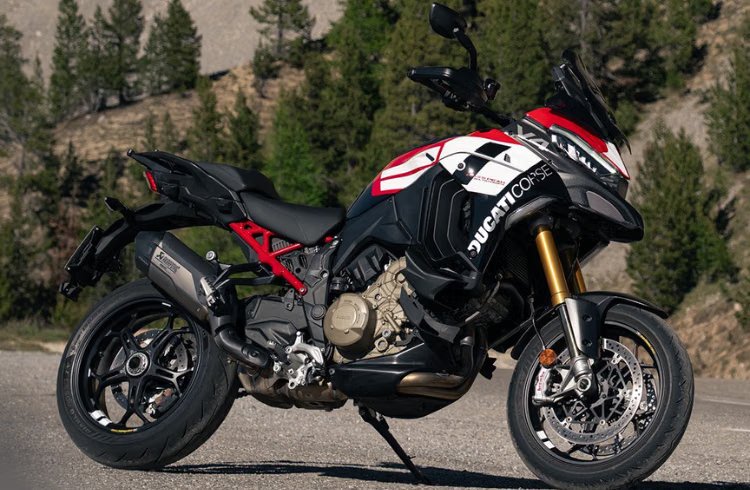
The latest buzz from Volkswagen Group is that Ducati could fetch about €1.25 bn in a potential sale, according to a report from Autocar India. This figure comes from VW’s review of roughly 600 businesses, a process that began last year to trim its portfolio after a four‑year‑old acquisition of the Italian brand.
For the average Ducati rider, the headline number means more than a headline. If the sale goes through, Ducati’s pricing strategy could shift to match the new owner’s cost structure. In India, the flagship 1299 currently lists at ₹1.73 lakh, while rivals like Hero’s YZF‑R15 sit around ₹1.15 lakh. A change in ownership could either tighten the price gap or widen it, depending on how the brand’s cost base is re‑engineered.
The competition in the premium segment is already tight. Yamaha’s MT‑15 and Honda’s CB‑R125 offer similar performance at a lower price, and the aftermarket parts ecosystem is heavily reliant on Ducati’s own supply chain. A sale to an Italian consortium such as Patritalia could keep the brand’s manufacturing footprint in Italy intact, but it might also mean a more fragmented parts network if the new owner prioritises local assembly.
From a policy angle, VW’s plan to raise €7.4 bn from selling its Everllence stake dwarfs the €1.25 bn potential from Ducati. That contrast shows how the company is prioritising heavy‑industry assets over premium motorcycles. Still, the €1.25 bn figure is significant for a niche brand, and could signal a shift in how VW views its luxury and sporting assets.
What will happen next? VW has said no decision has been made, so Ducati remains part of its holdings for now. The key dates to watch are the next VW shareholder meeting and any formal bid from Patritalia or other interested parties. Buyers should keep an eye on price movements, service contract terms, and the availability of future models, especially as Ducati continues to push its racing pedigree into the consumer market.