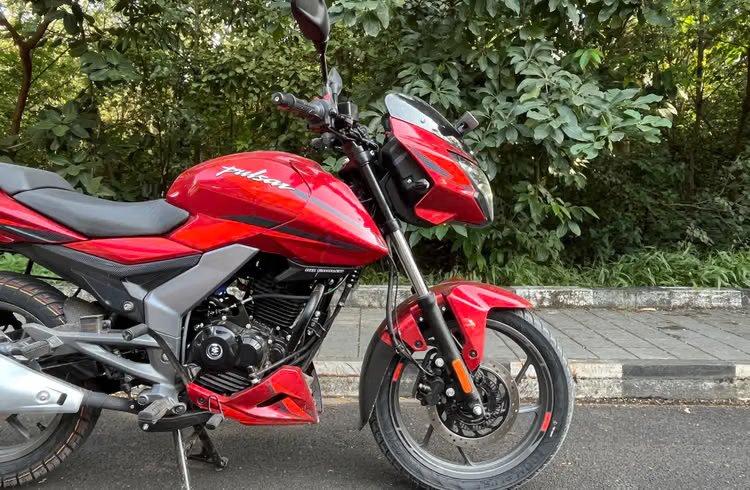
If you’re eyeing a cheap 100cc bike, Bajaj’s latest numbers show a steep decline, hinting that buyers in rural areas are tightening belts—prices hover around ₹30‑35 k, a range that’s now seen as a stretch when cash is scarce.
Meanwhile, the 150‑350cc segment is roaring, up 31% in the same period, and electric two‑wheelers are not far behind, posting a 24% jump. This K‑shaped growth means that while the entry‑level market is faltering, premium and EV players are riding high, drawing in a different income bracket.
The root of the slowdown? Drought‑hit states like Maharashtra and the Northeast are dimming farmers’ cash flow, and lenders are tightening their lending appetite. Bajaj’s own finance arm warns of potential credit curbs, which could make it harder for a ₹30k bike to be financed.
Hero and TVS keep their 100cc models priced lower, but Bajaj has chosen profitability over volume in this segment, raising prices to cover soaring component costs. The result is a 26% drop in the 100‑110cc category and a 22% fall in the 110‑125cc slice for the first half of FY27.
Looking ahead, the first 16 days of the festive season saw a 32% lift for Bajaj’s 150+ bikes, so the brand is banking on higher‑capacity sales to offset the slump. The next quarter may see a further dip in entry‑level demand, but the shift could accelerate the market’s pivot toward premium and electric options.
For buyers, the takeaway is clear: if you need a budget bike now, you might face higher prices and tighter credit, whereas those willing to splurge on a 150cc or an EV could lock in better value and financing terms. Keep an eye on Q4 FY27 releases; that’s when the full impact of rural stress will surface.