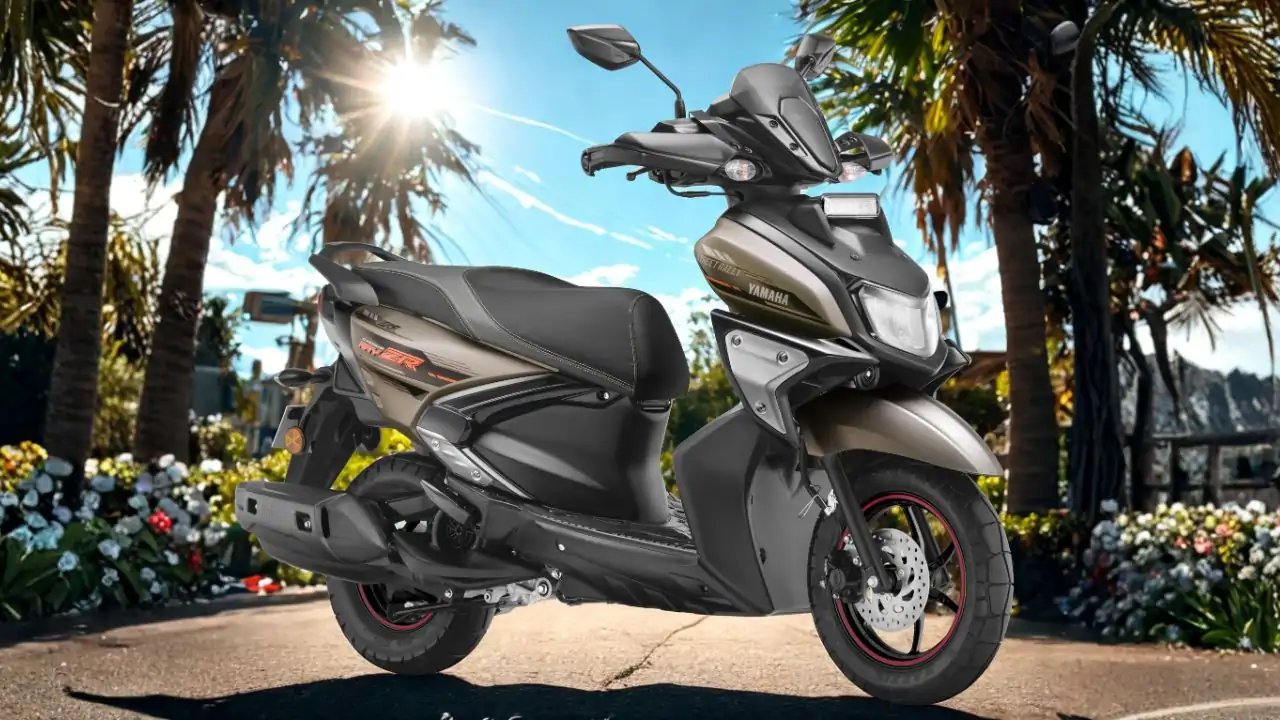
Yamaha has just launched its new RayZR 125 Hybrid, a lightweight 125cc scooter that brings a hybrid power‑train to the Indian market.
The engine is a 125cc air‑cooled, fuel‑injected unit that delivers 8.2 hp at 6,500 rpm and 10.3 Nm of torque at 5,000 rpm—modest but adequate for urban cruising. It sits on a 99‑kg chassis with a 785‑mm seat height and 145‑mm ground clearance, and it uses a V‑belt automatic transmission that spins out smoothly even on uneven pavements. The front 90/90‑12 and rear 110/90‑10 tubeless tyres keep the ride stable, while a 190‑mm disc or 130‑mm drum at the front allows riders to choose between higher braking performance and lower cost. The scooter tops out at 90 km/h and promises 71.33 kmpl on the official figures, which translates to roughly 370 km on a full 5.2‑litre tank in ideal conditions.
The disc version ups the ante with an LED headlight, a full digital instrument cluster, and Yamaha’s Y‑Connect Bluetooth suite that streams calls, SMS, and email alerts, tracks fuel consumption, and even remembers your last parking spot. The drum variant keeps it simple with an analog meter and a lower price point, but still offers the same core hybrid tech, automatic start‑stop, and a side‑stand engine cut‑off for safety.
Practicalities matter: under‑seat storage holds 21 litres, enough for a grocery bag or a day‑pack, and the seat is two‑levelled, making it easier to sit with one leg on the ground when you’re in traffic. The 10‑inch rear wheel can feel a bit bouncy on potholes, so a test ride on your usual streets is a good idea before you commit.
In the crowded 125cc market, the RayZR 125 Hybrid sits just below the premium RayZXR, but above the budget‑friendly models from Bajaj and TVS. Its hybrid engine gives it a slight edge in fuel economy, while the optional digital features appeal to tech‑savvy riders who want more than just a basic scooter. For buyers on a tight budget, the drum variant offers a compelling mix of affordability and power; for those willing to pay a bit extra, the disc version brings a premium feel without a three‑digit price surge.
The scooter is slated to hit Delhi and Mumbai in the first quarter of 2026, with a staggered rollout to other metros thereafter. Yamaha’s extensive service network should ensure easy access to spare parts and maintenance, while the company’s upcoming price lock‑in policy may keep the ₹80,680 price tag stable for the first year. Keep an eye on the upcoming specification sheets, as Yamaha is expected to tweak the battery capacity slightly for better real‑world mileage.