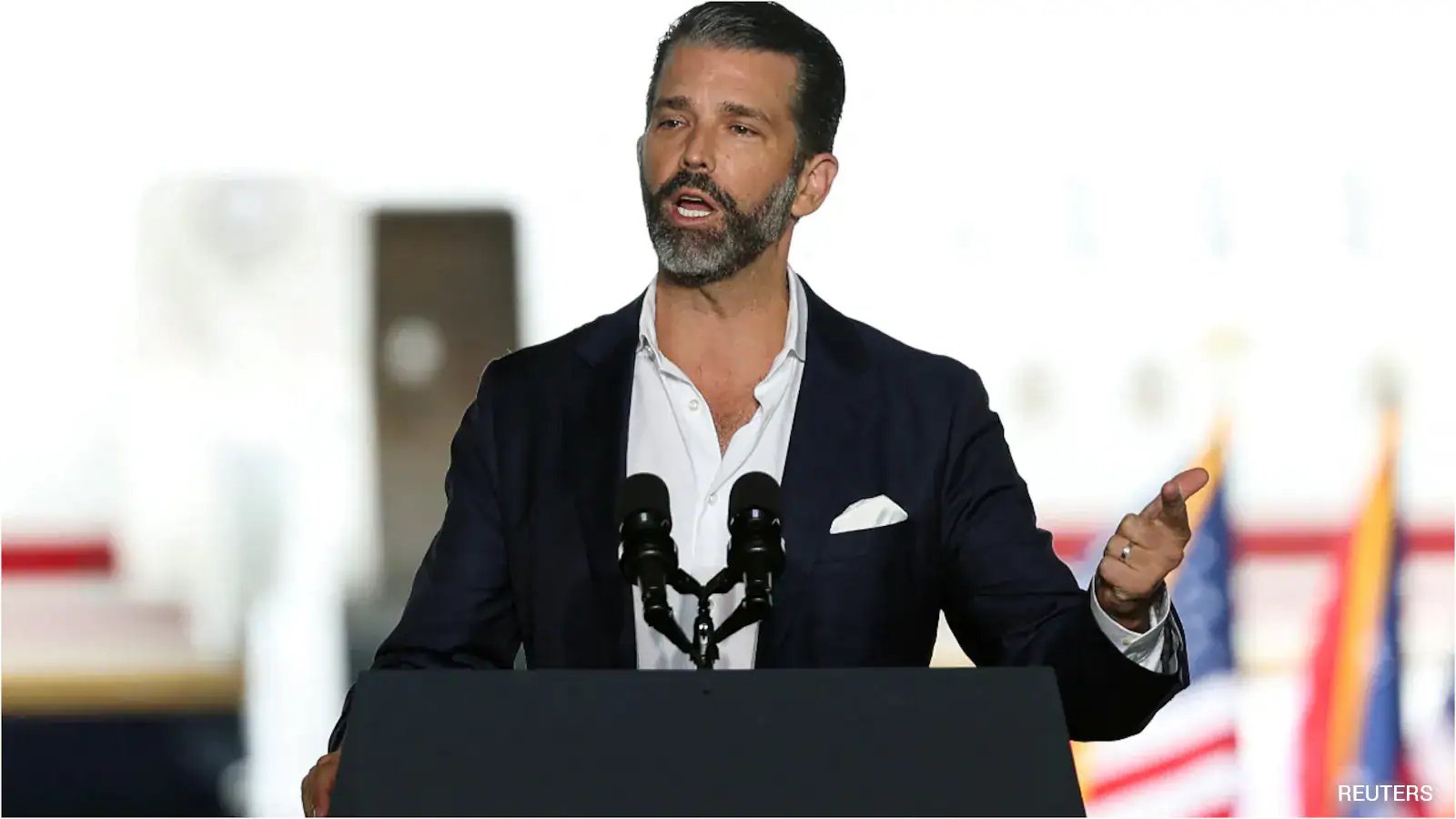
Kalshi severed ties with Donald Trump Jr after his venture capital fund poured money into arch-rival Polymarket.
The $40 billion prediction market platform abruptly canceled the advisory contract following months of friction over the conflicting investment. Trump Jr's venture outfit, 1789 Capital, led Polymarket's latest capital raise during the summer. That bet pitted the US President's eldest son directly against the company that had hired him to attract conservative users. The conflict became untenable.
"We have mutually agreed to end Don's advisory role after his firm's significant investment in a competitor this past summer," a Kalshi spokesperson confirmed. "We are grateful for his contributions in helping us market Kalshi to more customers."
Conversations to dissolve the partnership began in August as soon as 1789 Capital's position became public. Kalshi leadership reached out through the autumn to resolve the conflict of interest before finalizing the exit.
The split ends a relationship forged early in 2025.
Kalshi named Trump Jr a strategic adviser in January 2025, granting him an equity stake valued at $300,000. The platform sought rapid inroads across diverse political blocs and tapped the president's son to pitch the exchange directly to conservative audiences and the MAGA movement.
Yet corporate loyalties frayed within months. While Kalshi attempted to cement its foothold in the retail trading space, 1789 Capital diverted fresh venture funds to Polymarket. Representatives for Polymarket and 1789 Capital declined to comment on the fallout, while Trump Jr did not respond to official inquiries.
| Contract Parameter | Official Detail |
|---|---|
| Platform Valuation | $40 Billion |
| Advisory Appointment Date | January 2025 |
| Trump Jr Equity Compensation | $300,000 |
| Conflict Entity | Polymarket |
| Venture Vehicle | 1789 Capital |
| Resolution Timeline | Initiated August, Finalized Post-Midterms |
While Kalshi insisted political calculations played no part in the dismissal, the break coincided with shifting power balances in Washington.
A Democratic sweep of both chambers of the US Congress in the midterm elections immediately triggered heightened compliance anxiety across the technology and financial sectors. Democratic leaders confirmed plans to deploy congressional subpoena powers to audit business transactions linked to the Trump family. Company insiders conceded that retaining the president's son as a formal corporate adviser exposed the exchange to aggressive oversight by incoming committee chairs.
Market Context: Prediction platforms surged to global prominence in 2024 after diverging sharply from traditional polling models to forecast Donald Trump's decisive electoral victory. Flush with new capital, both Kalshi and Polymarket expanded their influence operations, distributing substantial political donations across both major parties throughout the current election cycle.
That visibility triggered bipartisan backlash.
Senator Elizabeth Warren pledged a legislative crackdown on insider trading across event contracts. Simultaneously, Senator Chris Murphy and Representative Greg Casar drafted legislation to outlaw trading on military deployments and sensitive executive actions.
With multiple bills advancing through committee dockets on Capitol Hill, prediction platforms now confront direct regulatory containment as federal lawmakers scrutinize suspicious trading patterns across global geopolitical events.