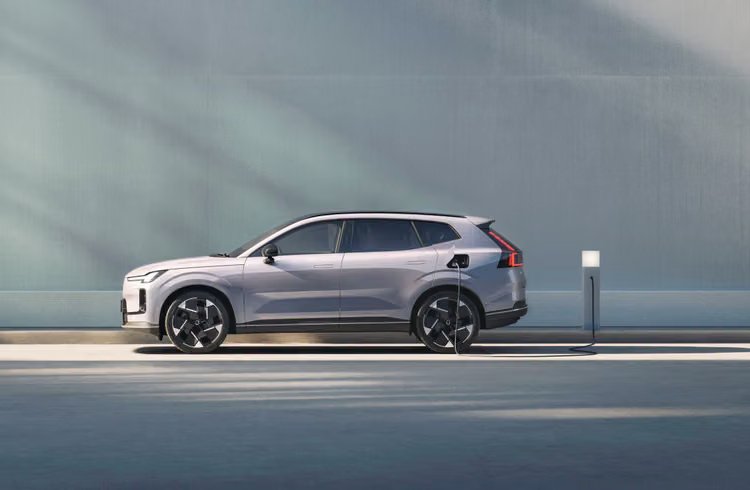
If you’re waiting for a Volvo plug-in hybrid to hit Indian roads, hold your breath. Managing Director Jyoti Malhotra admitted during the EX90 launch event that the current tax structure in India makes PHEVs commercially unviable. The regulations currently favor pure electric vehicles, leaving hybrids with a higher price tag that most buyers aren’t ready to swallow.
The issue isn’t just the sticker price. It’s the underlying economics. Malhotra pointed out that a PHEV carries the cost of both an internal combustion engine and an electric drivetrain, plus the tax burden on top. "If a customer expects ICE and PHEV to be at the same price point, that’s not going to happen," he said. He argued that Corporate Average Fuel Economy (CAFE) incentives won’t fix this; the tax structure is the real bottleneck.
So, where does that leave Volvo’s lineup? For now, it’s a two-track system. The brand is pushing mild hybrids for those who want efficiency without range anxiety, and battery electric vehicles for the fully committed. EVs now make up nearly one in four vehicles Volvo sells in India, a significant jump that keeps the company on track with its global "electric car company" goal.
This isn’t a refusal, just a pause. Malhotra clarified that Volvo can bring PHEVs from its global portfolio if market conditions shift. He’s watching customer willingness to pay closely. If the tax regime changes or buyers start accepting a premium for hybrid tech, the door is open. But until then, the math doesn’t work.
For the buyer, this means the Volvo lineup will stay predictable for the next year or two. No sudden PHEV releases to confuse the choice matrix. If you want a Volvo, you’re choosing between a mild hybrid SUV or a full EV. The brand’s strategy is clear: adapt to Indian regulations, not fight them, while keeping the long-term bet on full electrification.