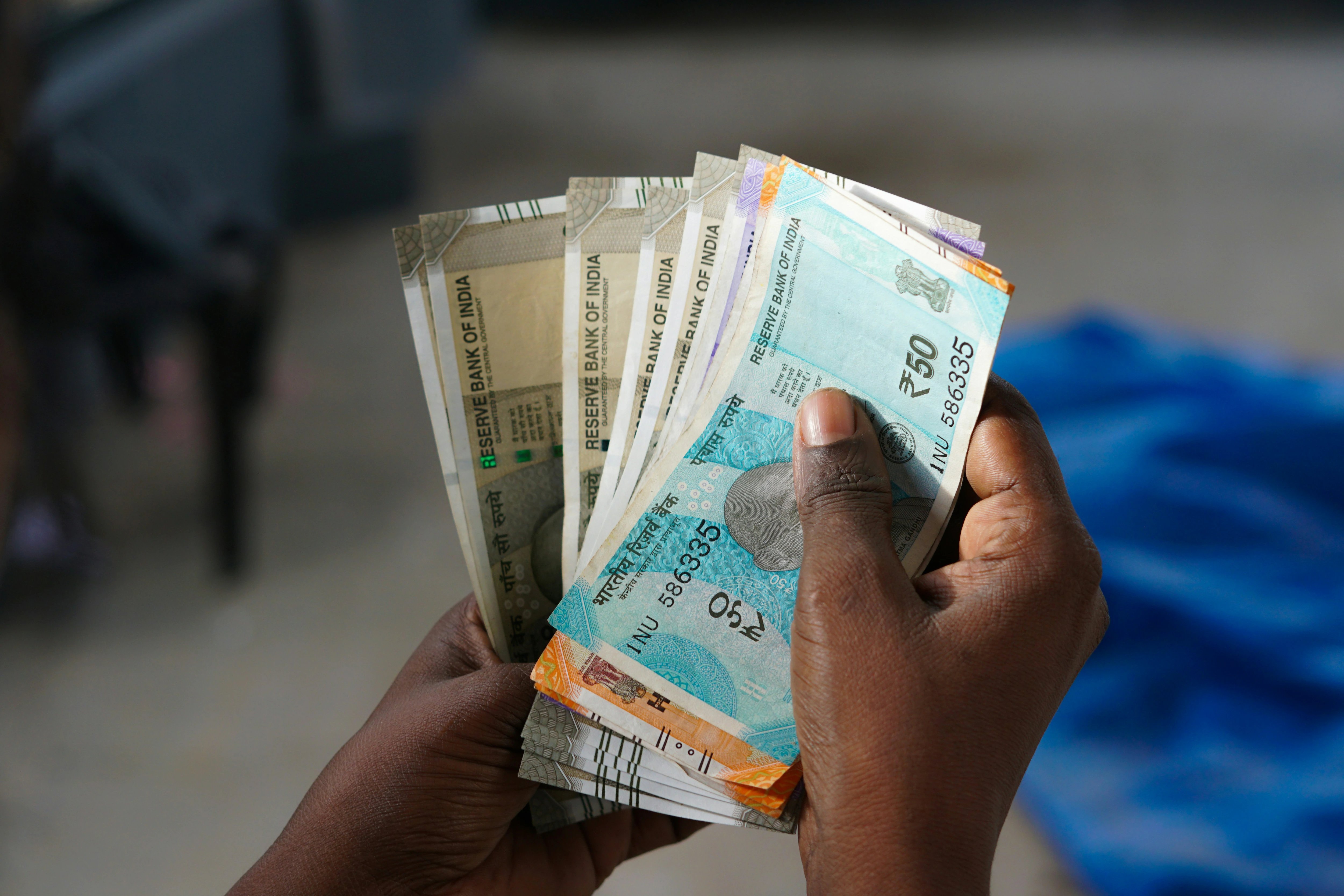
Indian bank branches shut their doors from September 28 to 30, plunging millions of customers into a three-day limbo for physical banking services. The United Forum of Bank Unions (UFBU) triggered the walkout, demanding a shift to a five-day work week and overhauls to pension benefits. Right now, employees work on most Saturdays, a schedule the unions argue contributes to burnout and poor work-life balance. The strike specifically targets branch-based operations, leaving anyone needing to submit physical paperwork or withdraw large cash sums in a bind.
The Finance Ministry stepped in to mitigate the chaos, instructing all public sector banks and regional rural banks to operate on Sunday, September 27. With RBI approval, branches, ATM-linked offices, and currency chests will remain open on that final day. It is a calculated move by New Delhi to ensure customers aren't stranded with urgent needs. The government wants to prevent a total freeze on government transactions and business operations that typically rely on physical banking infrastructure.
For those navigating the disruption, digital channels remain fully operational. UPI payments, internet banking, mobile apps, and ATMs will function normally throughout the strike. Customers can still transfer funds, pay utility bills, and check balances without stepping foot in a branch. SBI and Union Bank have explicitly advised clients to utilize Customer Service Points or Business Correspondents where available. Cash deposit machines, like ADWMs, also offer a fallback, though availability might vary by location.
The pressure is on for anyone with pending branch-dependent tasks. Sunday is the last opportunity to clear urgent paperwork or handle cash-related work before the Monday shutdown. The strike's impact on small businesses and government disbursements will be felt most acutely during these three days. Banks are preparing for a surge in digital transactions, but the physical infrastructure will be offline. The union's demands for structural changes to the banking week remain unresolved, setting the stage for potential future disruptions if negotiations stall.