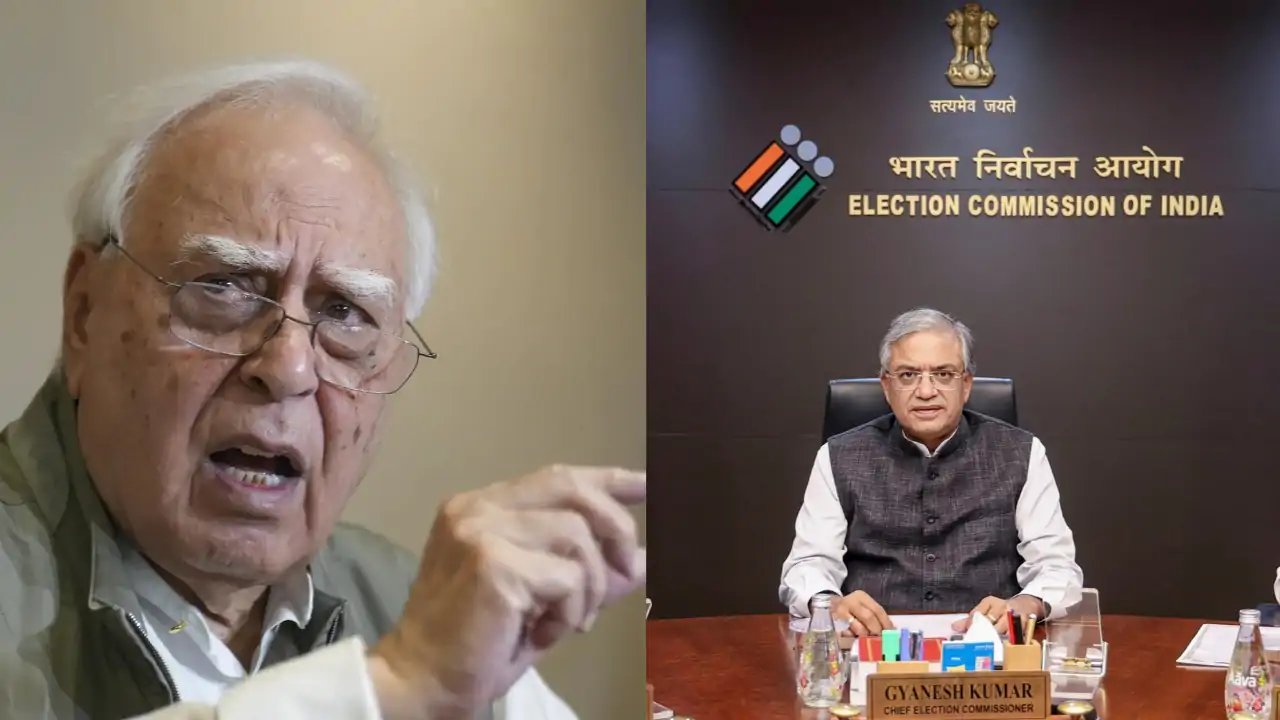
Kapil Sibal took to the dais in Delhi on Sunday, blasting the Election Commission’s decision‑making process as unilateral and calling out Chief Election Commissioner Gyanesh Kumar for not consulting his fellow commissioners, Vivek Joshi and Sukhbir Singh Sandhu. He said the notice questioning his citizenship was issued despite his clear status as a registered voter and an MP, and that the decision had been made without the requisite collective input.
The notice, which Sibal received through a journalist, listed him in the draft electoral register because he had been an MP from Rajasthan until 2004, even though his earlier voter registration had been in Patna. He added that a Booth Level Officer had visited him, verified his identity, and signed the enrolment form, yet he still received a denial of citizenship notice. He asked, “Then how did I get the notice? Am I not a citizen? What is happening in the country?”
The Election Commission, on Saturday, responded that all orders related to the Special Intensive Revision were approved unanimously by the full commission. It clarified that letters from Joshi and Sandhu to the Cabinet Secretary were about a deputation officer, not policy decisions, and that the Supreme Court had upheld changes to Form 6, aimed at addressing enrolment complaints. The EC’s statement stresses that the decision‑making process remains collective and transparent.
Sibal’s criticism comes amid a broader scrutiny of the SIR exercise, which has seen a flurry of notices to voters across the country. In past months, he has repeatedly warned that a rushed revision could erode trust in the electoral roll. His daughter, a school teacher in Jaipur, expressed concern that such notices might sow confusion among ordinary voters.
The court is expected to review the EC’s decision in a hearing slated for early October, and Sibal has hinted at a possible legal challenge. The outcome will determine whether the EC’s unilateral claims hold and could shape the next phase of electoral reforms.