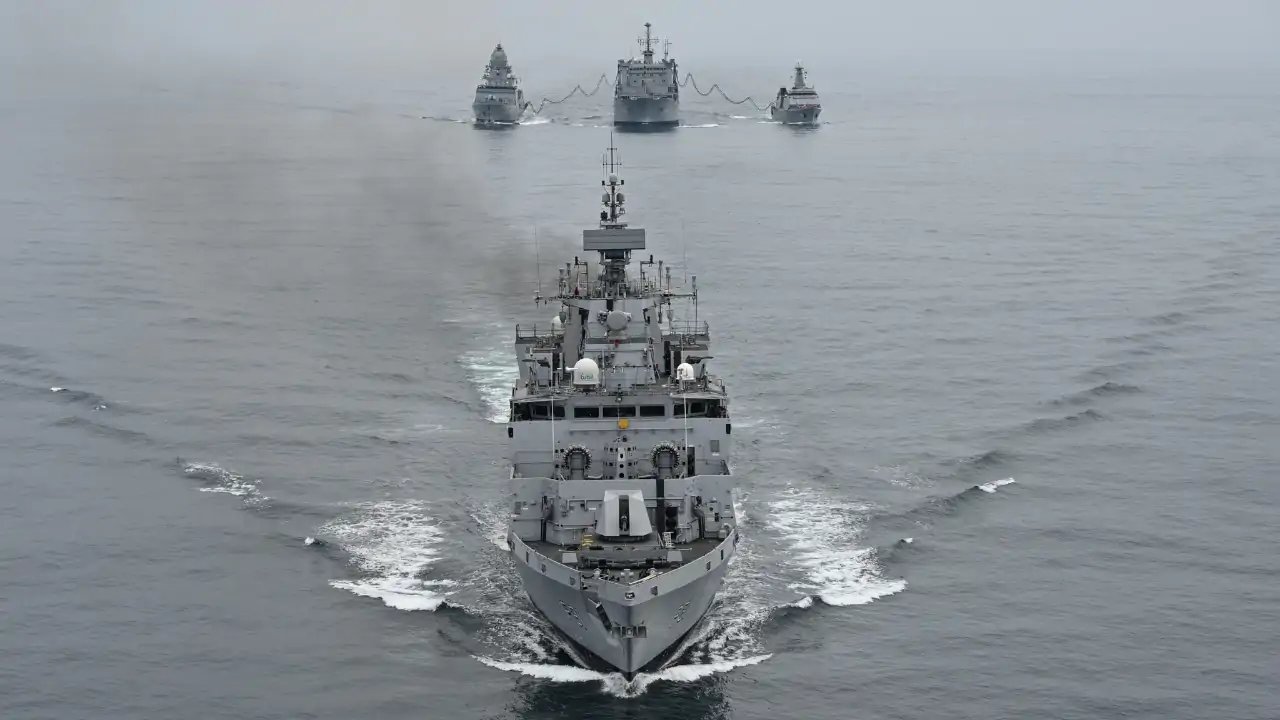
The record 18‑ship addition is the biggest single‑year influx in the Navy’s history, a figure the ministry characterized as proof of the country’s shipbuilding maturity. It follows a surge of domestic construction, with 18 vessels already commissioned since December 2024, and the Navy now expects eight more to join the fleet by the end of 2026.
The expansion is tied to India’s energy security, as roughly 85–90% of crude oil and half its natural gas arrive via maritime lanes. Operation Urja Suraksha, cited by Singh, showcased the Navy’s role in safeguarding merchant traffic during the West Asia crisis, underscoring the strategic importance of protecting commercial chokepoints.
Indigenous content tops 75% in recent warships, meeting global benchmarks and positioning India to export platforms to allies. The government’s ambition, according to Singh, is to transition from meeting domestic needs to becoming a supplier for foreign navies.
Alongside hulls, the Navy is accelerating technology uptake—AI, big‑data analytics, autonomous systems and cyber operations are slated for integration. These tools aim to enhance situational awareness, detect threats earlier and operate unmanned assets alongside conventional vessels.
The Navy will upgrade its maritime surveillance architecture to cope with traffic congestion and grey‑zone activities. Commissioning schedules for the new warships will be announced at the next annual Naval Review, with the first unit expected to enter service early 2027.