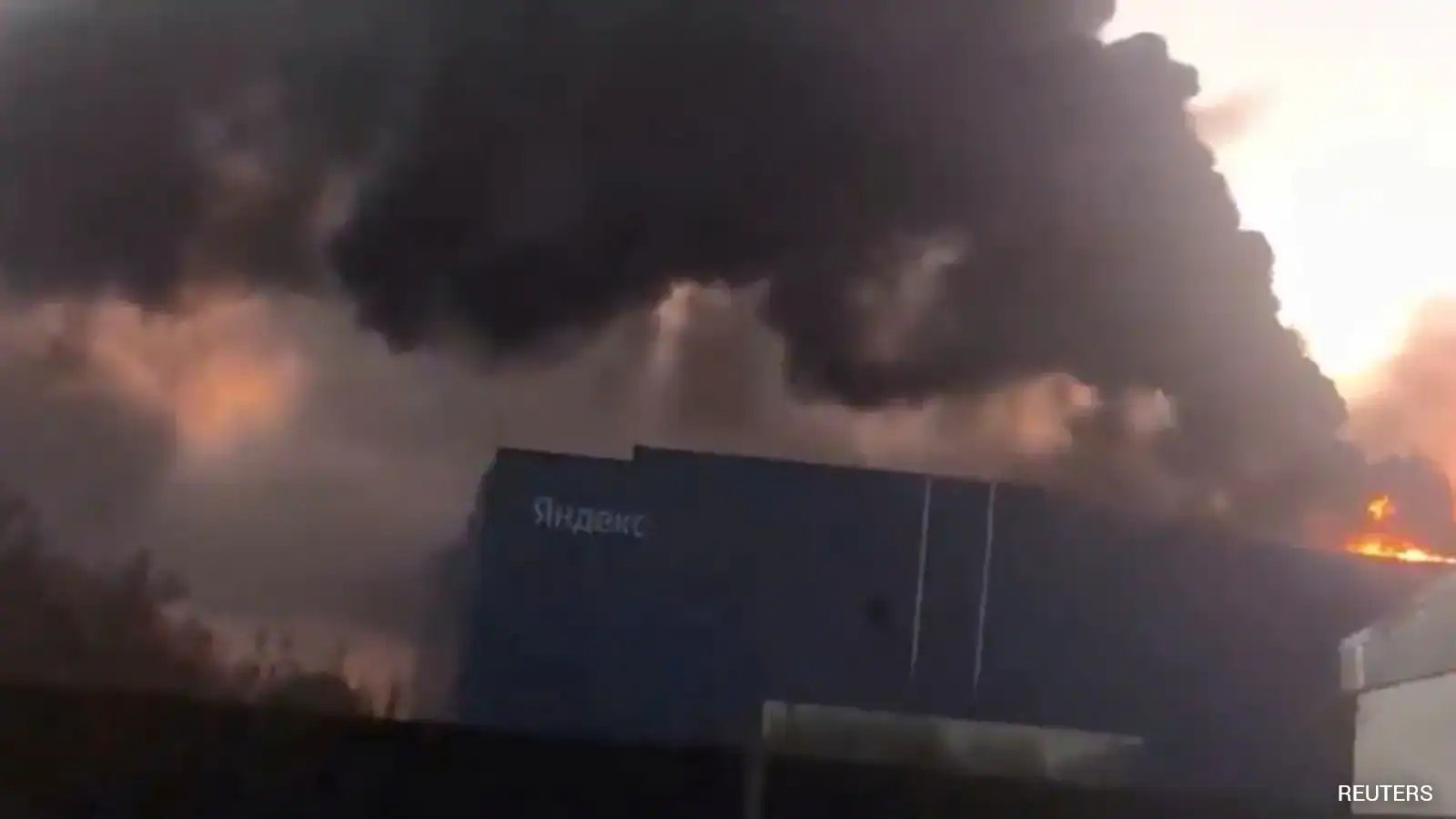
Ukrainian drones struck three critical Russian data centres between Oct. 8 and Oct. 18, 2026—Yandex’s facilities in Sasovo, Kaluga, and Vladimir, Sberbank’s hub in Balakovo, and VKontakte’s server in St. Petersburg. The hits caused immediate power failures, cooling shutdowns, and loss of network connectivity across all three sites.
Cloud‑based banking, e‑commerce, geolocation, ride‑hailing, and AI services—including Yandex’s virtual assistant Alisa—tumbled into chaos. Arbitration courts in Moscow reported cancelled sessions and lost database access, while ordinary users in St. Petersburg’s tech parks complained of 24‑hour outages that halted freelance projects.
Experts point to Russia’s stretched air‑defence network as a vulnerability. With Patriot interceptors depleted by the U.S. war in Iran, Ukrainian drones exploited gaps in coverage, mirroring Iran’s own strikes on Amazon Web Services facilities in the Middle East. The attacks underscored the country’s digital sovereignty policy, which forces all data to remain domestically, making large data centres easy targets.
Mikhail Klimarev of the Internet Protection Society warned that the strikes could push Russian firms to relocate servers abroad, accelerating the shift to European cloud providers. Senior Eurasia Group analyst Nick Reiners added that the damage may prompt a nationwide audit of air‑defence and data‑security protocols, a move that could reshape Russia’s cyber‑infrastructure strategy.
In the wake of the attacks, the Russian Ministry of Digital Development has convened an emergency meeting with Yandex, Sberbank, and VKontakte executives. The meeting will set a deadline for the delivery of a threat‑assessment report and define steps to reinforce the country’s data‑centre resilience before the next winter offensive.