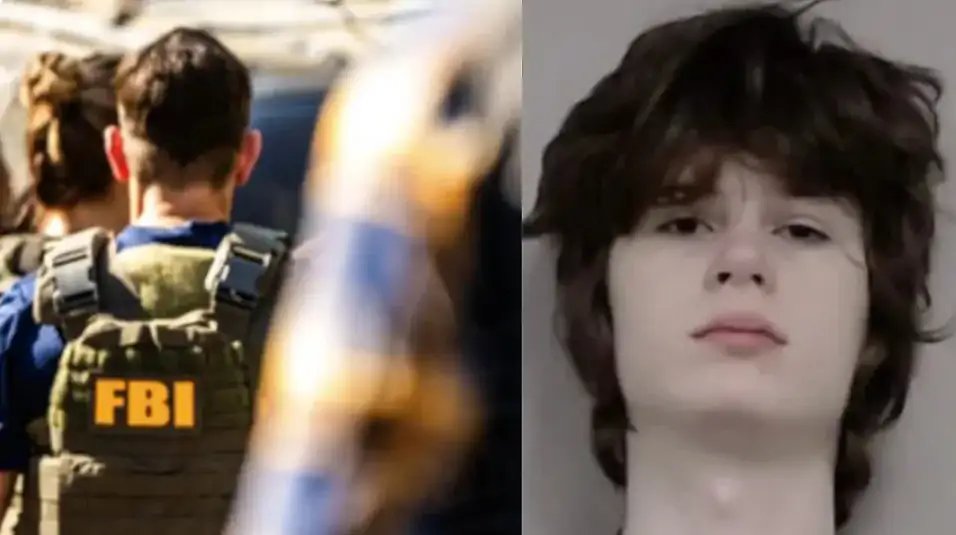
On Oct. 11, a 19‑year‑old Greek‑American, Alexandros Paporakis, was taken into custody by the Aurora Police Department after an internal whistle‑blower flagged suspicious texts sent to a coworker. Investigators seized a notebook titled “Why I Fought: A.K.A. (Aurora Shooter's Manifesto)”, a cache of 150 rounds of rifle ammunition, a handgun, a body‑armour vest, and an assortment of tactical gear. The document outlined a plan to breach the Sri Venkateswara Swami (Balaji) Temple during a Sunday service and shoot worshippers, with a white‑supremacist slant and a stated intent to kill Indian people.
The Ministry of External Affairs (MEA) released a statement at its bi‑weekly media briefing the following Friday. Randhir Jaiswal, the spokesperson, said the plot was “an alarming manifestation of hate crimes aimed at the Indian community” and urged U.S. authorities to “ensure the safety and security of Indian nationals in the country.” He also called for a thorough investigation and for measures to prevent future incidents.
U.S. officials have pledged to investigate the case and to strengthen security at the temple. The Chicago Police Department’s Public Safety Director, Michael McDonald, said the city will coordinate with federal agencies to monitor potential threats. Congresswoman Anna Kaplan, whose district includes Aurora, called the incident “a stark reminder of the dangers faced by minority communities” and urged her colleagues to support additional security funding.
The plot underscores a rising trend of anti‑Asian hate incidents in the United States, with the FBI reporting 176 hate‑crime complaints against Asian Americans in the first nine months of 2023. The Indian diaspora in Chicago has already received a surge of community outreach efforts, including a safety briefing hosted by the Consulate General of India in Chicago. The next phase will see the U.S. Justice Department file the charges and the trial scheduled for November 2024.