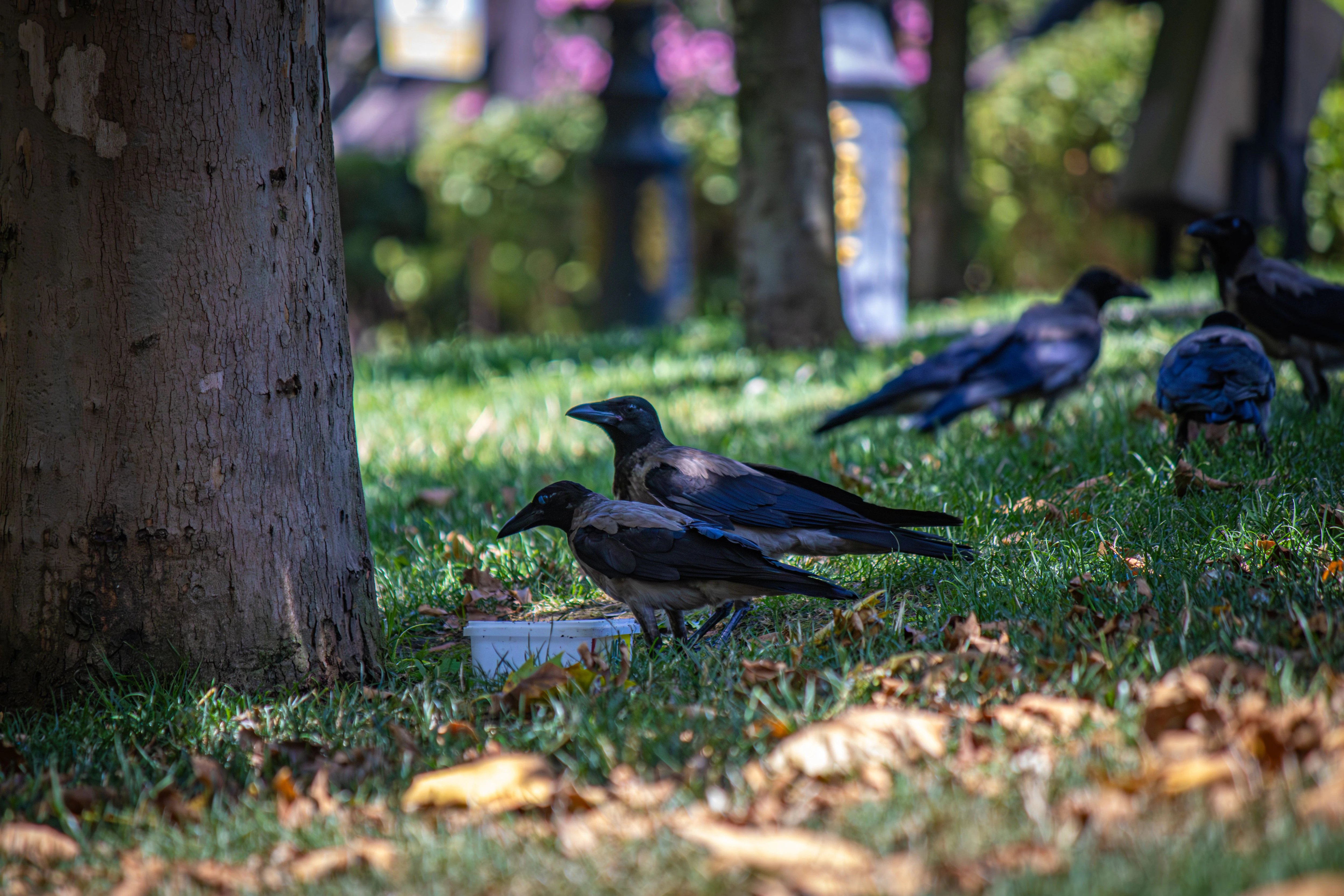
More than a dozen crows in downtown Prince George were brought in this year with signs of drug ingestion—lethargy, a slowed heartbeat, and brown liquid dripping from their beaks, according to Dayna Slater of Good Caws Crow Rescue Society.
The rescue crew treated the birds with naloxone, a medication that blocks opioid receptors and reverses overdose. The nasal spray worked within an hour and a half, allowing the crows to recover and be released.
Opioids depress the brain’s breathing center, leading to shallow breathing and potential heart failure; naloxone quickly displaces the drug from receptors, restoring normal respiration and heart rate.
The incident underscores the need for safe disposal of unused prescription opioids. Communities can reduce accidental ingestion by using take‑back programs, storing medications in locked cabinets, and educating pet owners and children about the dangers.
For humans, having a naloxone kit—available at pharmacies and through many community programs—can save lives in an overdose emergency. Talk to your doctor or pharmacist about getting one and learn how to use it.