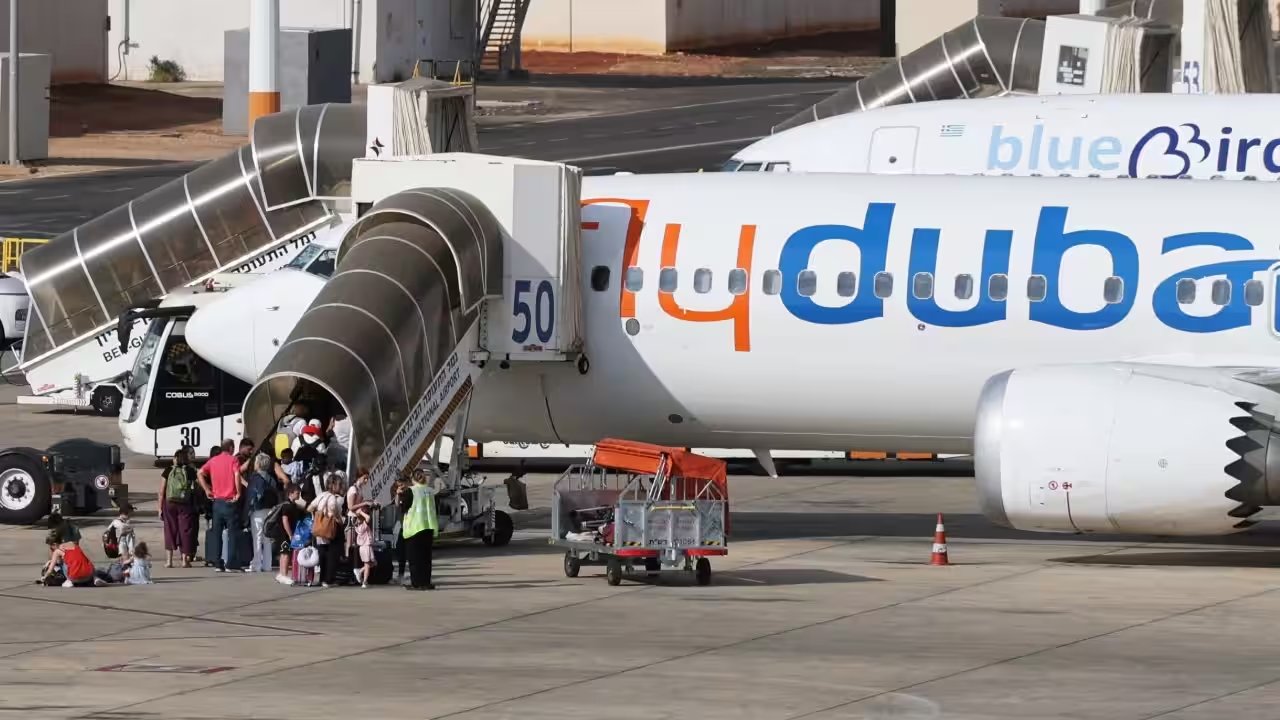
On Flight 1073, the co‑pilot seized an emergency axe while excusing himself to pray, striking Captain Smit Machchhar and rendering him unable to maintain control. The wounded captain forced the cockpit door open, letting crew and passengers in; a chaotic scramble ensued, but they managed to pull the aircraft out of a dangerous dive before it could hit the runway.
Oman had flagged al‑Hammami for radical online activity, revoked his licence and sent him to a deradicalisation programme, yet that warning never reached flydubai. The airline’s background check missed the earlier ban, and the Tel Aviv route was assigned without vetting his history. Meanwhile, Israel’s transport ministry admitted it lacked the authority to scrutinise foreign crews and had not accessed a 2023 database designed to flag suspicious personnel.
The UAE’s attorney general labelled the incident an attempted terrorist act. Saudi Arabia, the UAE and Israel suspect al‑Hammami intended to crash the aircraft into Tel Aviv, but investigators have found no evidence linking him to a foreign state or organised terror network.
Israel has announced a comprehensive audit of all foreign airlines operating into the country, a move that will overhaul passenger and crew screening protocols and tighten cross‑border information sharing. The audit will be conducted over the next six weeks, with the first report due by early June.
Among the passengers who survived was a 32‑year‑old nurse from Hyderabad, who described the cockpit as “a scene of chaos and terror,” and a 57‑year‑old pilot from Oman, who said he was stunned that a fellow aviator could bypass security so easily.
The incident has already prompted the International Civil Aviation Organization to issue a temporary advisory to member states about verifying crew credentials on international flights.