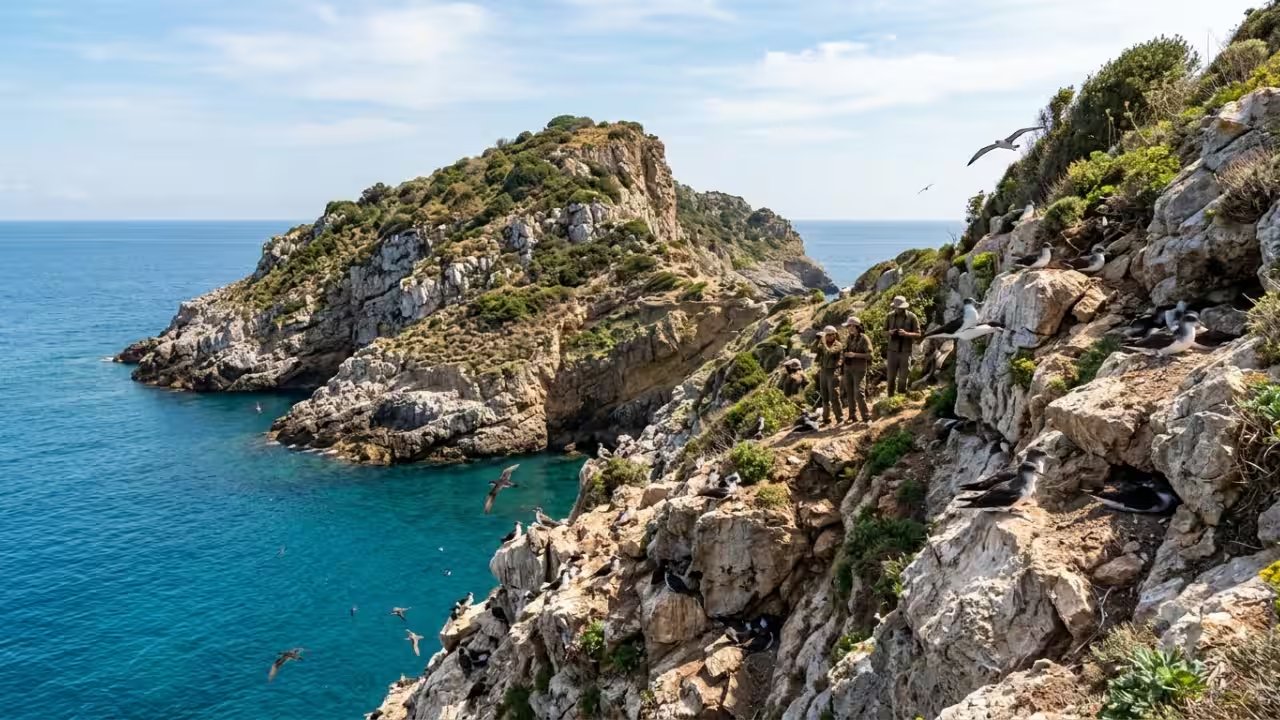
The eradication of black rats from Zannone on 12 October 2007 ended a five‑year campaign that saw the island’s Scopoli’s shearwater breeding pairs jump from 27 to 80 by 2016, a 296 percent increase.
Zannone’s 1,200‑hectare terrain demanded a hybrid strategy: bait stations were sparser than on smaller islands, while helicopter‑borne biodegradable bamboo dispensers delivered rodenticide blocks to hard‑to‑reach coves.
According to the IUCN Species Survival Commission’s 2024 review, 14 Italian islands have now been rat‑free, with five more slated for removal under the EU LIFE programme, which funded 70 percent of the operations.
The data also reveal a stark contrast in breeding success: islands without rats recorded a success rate of 0.78, compared with 0.14 on rat‑infested islands, underscoring the predator’s impact on burrow‑nesting seabirds.
Yet the work is far from finished. Re‑invasions have hit several islands, prompting authorities to strengthen biosecurity protocols and plan for routine monitoring in the coming decade.