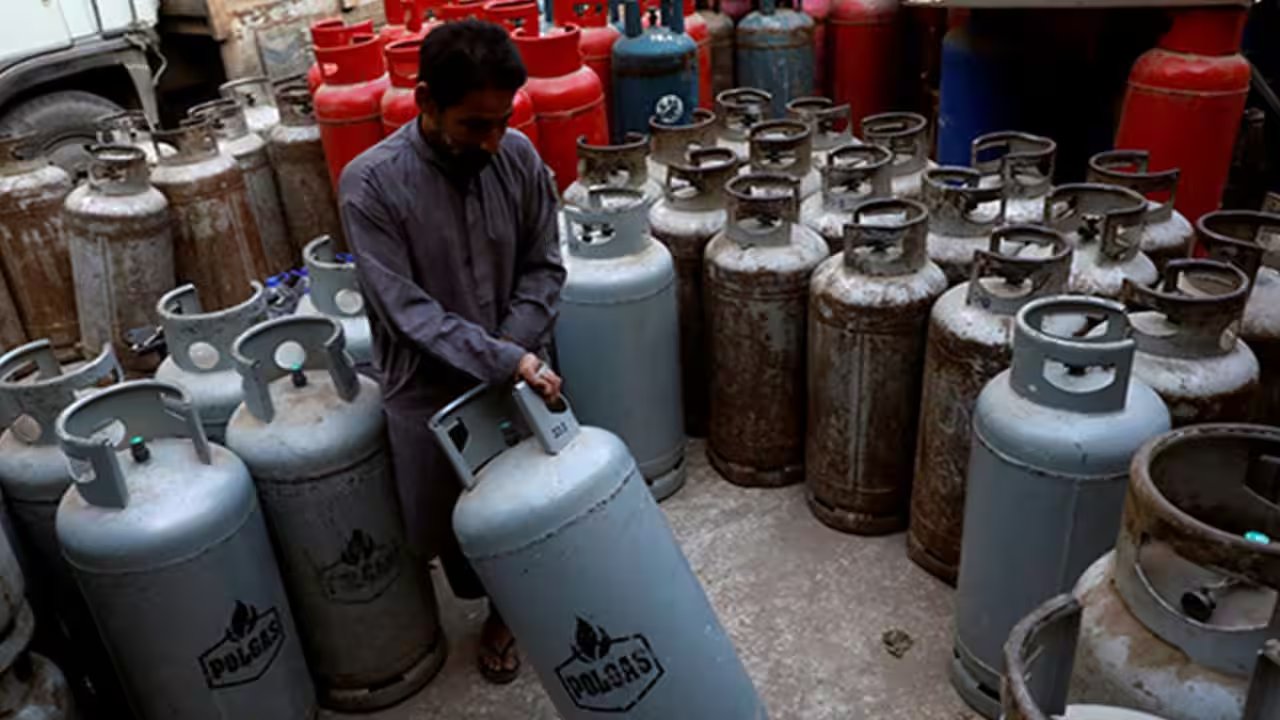
Residents in Rawalpindi are digging through discarded furniture wood and sawdust to keep their kitchens alive. The natural gas pipeline, once a reliable lifeline, now delivers fuel for barely six hours a day. As winter sets in, the middle-class reliance on clean energy has evaporated, replaced by the smoke of coal and the cost of firewood.
The numbers are brutal. A new domestic LPG cylinder now costs PKR 13,500, up from PKR 10,000 just weeks earlier. Refills have jumped from PKR 3,000 to PKR 5,000, while commercial tanks nearly doubled to PKR 25,000. In the open market, the price per kilogram hits PKR 630, far exceeding the official retail rate of PKR 294. It is a disparity that squeezes every rupee from household budgets.
The pressure stems from a broken supply chain. Irfan Khokhar, chairman of the LPG Distributors Association, stated that the closure of the Iran border has cut off 70% of Pakistan’s LPG imports. The remaining 30% is produced locally, but it cannot fill the void. Ogra cited a 6.47% rise in Saudi Aramco’s contract price as the technical reason for the hike, but for the average citizen, the origin of the spike matters less than the bill.
Shehzad Manzoor Kiyani, divisional president of the All-Pakistan Clerks Association, confirmed that government employees are now spending PKR 10,000 to PKR 12,000 monthly on LPG alone. For many, that sum is impossible. So they burn what they can find. Muhammad Faizan, a furniture factory owner, noted that waste wood previously dumped near Nullah Lai is now being scavenged by neighbors. It is a stark image of economic retreat.
Tensions are rising in the corridors of power. Ali Haider, chairman of the Pakistan LPG Marketers Association, warned that businesses will shut down on November 16 if the government sidelines the private sector. He accused state-owned entities like Pakistan State Oil and Sui Southern Gas Company of failing to import supplies despite collecting billions in levies. The association demands the draft policy be scrapped and full deregulation restored.
The next move belongs to Petroleum Minister Ali Pervaiz Malik. His response to the association’s letter will determine if the sector collapses into a full shutdown or if a new import deal can be struck before the cold deepens. For now, in Rawalpindi, the fire is burning wood.