Islamabad has stopped hedging.
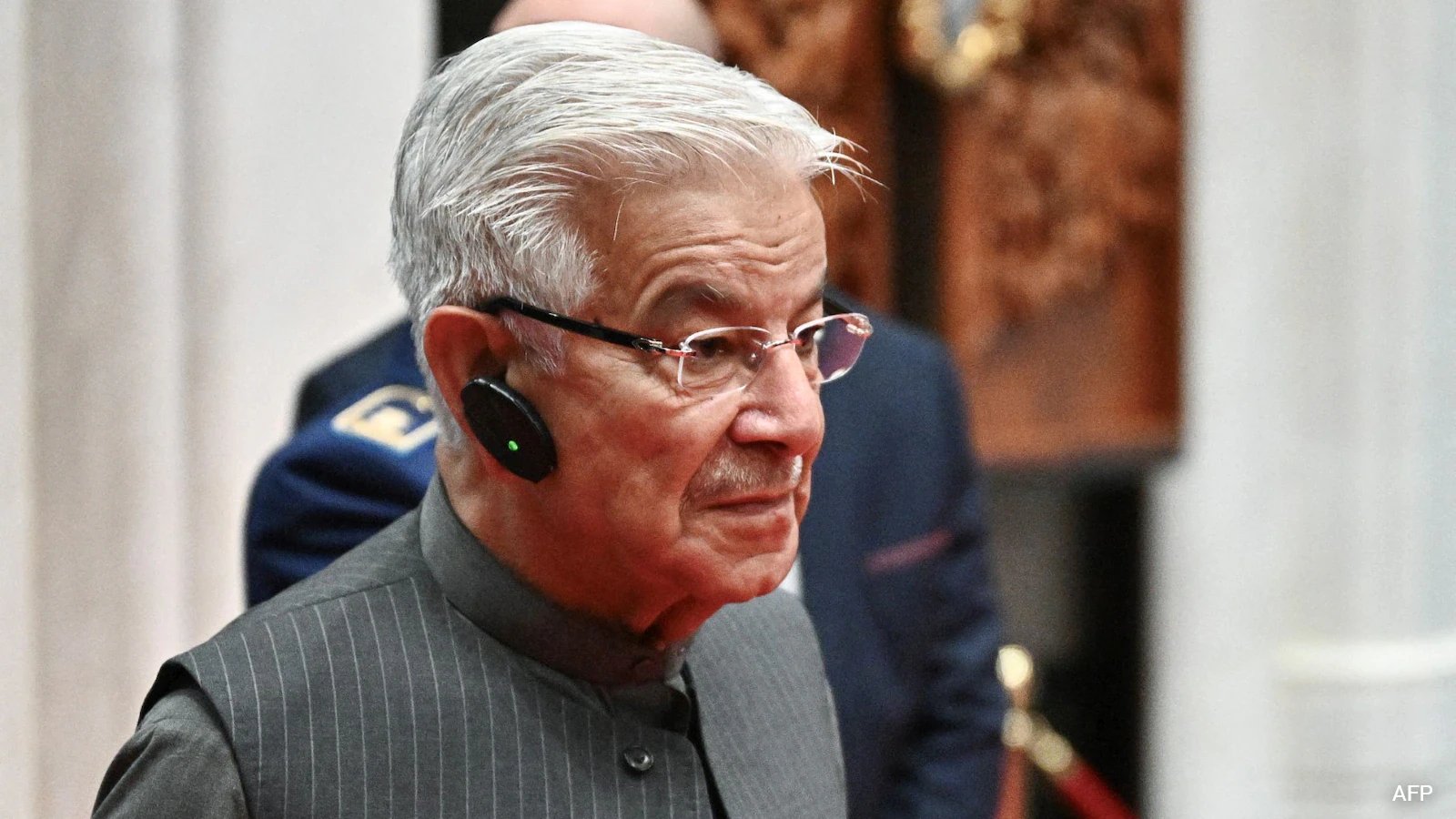
Defense Minister Khawaja Muhammad Asif told reporters in Rome on Tuesday that Pakistan will use "whatever means are available" to shield Saudi Arabia from the Iran-backed Houthis. It is the clearest signal yet from the nuclear-armed state that it intends to step directly into the widening regional conflict, moving beyond diplomatic support to tangible military commitment.
Asif declined to confirm if Pakistani jets had already participated in airstrikes against Iranian operators in Yemen. But he made the legal and operational framework explicit: under the Mecca Joint Defense Agreement signed with Saudi Arabia and Turkey on Aug. 7, an attack on one member is treated as an attack on all. "I'm not going into detail, but obviously when I say that we are bound by this arrangement to defend Saudi Arabia, that means whatever means are available at our disposal, they'll be available to Saudi Arabia also," Asif said.
The stakes are no longer abstract. The Houthis have intensified missile and drone barrages on Saudi soil and recently captured the strategic port city of Mokha and several Red Sea islands. This expansion threatens the Bab el-Mandeb Strait, a maritime chokepoint through which about 12% of global trade passes. Asif described the Houthis as "aggressors" and noted that allied militias in Iraq have also targeted Saudi oil facilities, seeking to block tankers from the strait.
The alliance is still in its infancy. The full text of the pact remains unreleased, and command structures are only now being established. Asif confirmed that a secretariat is being set up to coordinate operations, though he offered no timeline for full operational readiness. Other nations have expressed interest in joining, but Islamabad has no immediate plans to expand the bloc.
Despite the hardline military posture, Asif emphasized that Pakistan remains a mediator. He said Islamabad is pressing for negotiations to end the broader Iran-related conflict and supports reviving a deal on Tehran's nuclear program. In April, Pakistan hosted rare direct talks between Iran and the U.S., which yielded an interim agreement in June. That 60-day deadline for a final deal expired after hostilities resumed, leaving the diplomatic track fragile even as the military track tightens.