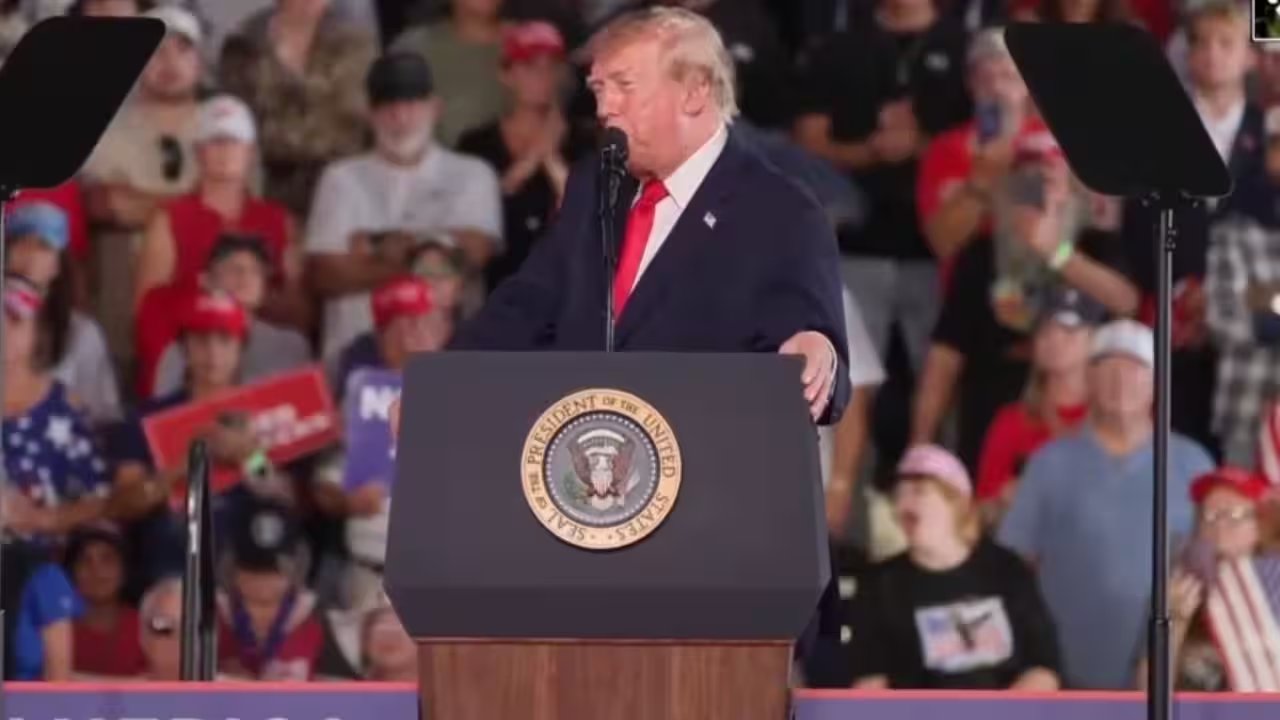
Trump’s tirade came as he campaigned for Republican Senate nominee Mike Rogers, who is vying for the seat that El‑Sayed seeks to capture. The former President, marching up the dais, warned that El‑Sayed’s alleged ties to the Muslim Brotherhood could threaten national security.
—He repeated the candidate’s name as “Mohammed,” linking him to extremist causes and insisting the Senate would need a metal detector for El‑Sayed. “I’ll be a witness,” Trump said, envisioning a religious court trial.
The remarks sparked boos, with thousands shouting “traitor” whenever the name surfaced. Critics argue the comments target El‑Sayed’s faith, not his politics, and accuse Trump of using religion as a weapon in a tightly contested race.
El‑Sayed has denied any affiliation with the Brotherhood, and there is no evidence presented to confirm such ties. The Democratic Party in Michigan promptly condemned the remarks as hateful and called for a respectful campaign.
The next week will see the campaign trail heating up, as both parties prepare for the November 3 mid‑term elections. The controversy may influence voters, with some calling for stricter vetting procedures for Senate candidates.
The federal election commission has not yet weighed in, but the debate over security screening for elected officials is likely to intensify as the nomination battles progress. Meanwhile, El‑Sayed’s campaign has shifted focus to policy, underscoring his experience as a former mayor and his plan to tackle economic inequality.
As the November 3 vote approaches, both sides are sharpening their rhetoric. Trump’s latest attack may bolster Rogers’ base, but it also risks alienating moderate voters who see the remarks as a violation of democratic norms. The outcome could set a precedent for how security concerns are framed in future congressional campaigns.