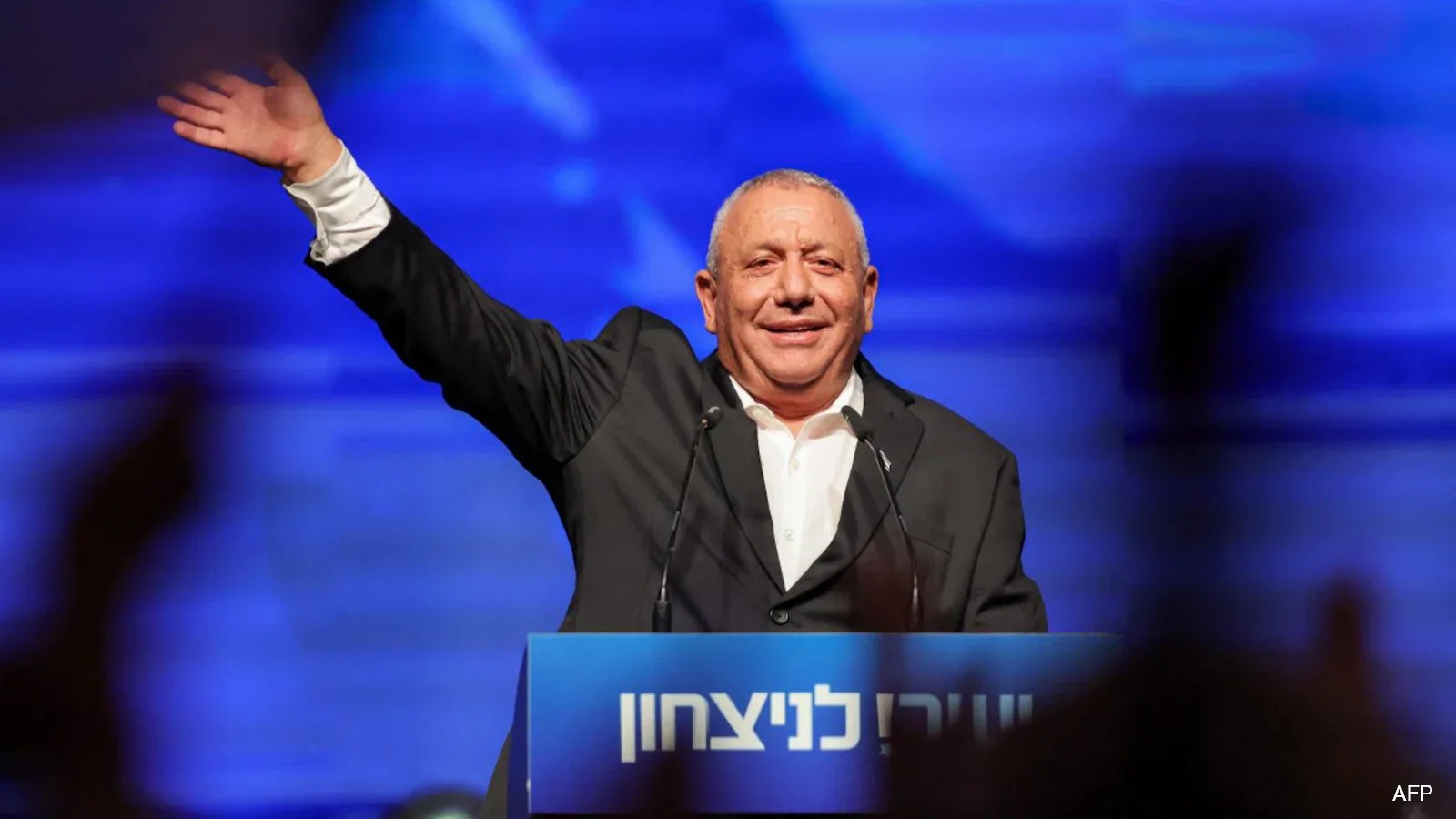
Eisenkot, the opposition's chief, announced early Wednesday that he would seek to form a new government after exit polls showed his bloc edged Netanyahu's right‑wing coalition. He also warned Netanyahu not to use Israel's security for political gains, echoing the Prime Minister's own threats to attack Iran in the final days of the campaign.
The exit polls, released after a record turnout, gave Eisenkot's coalition a marginal advantage—just a few percentage points over Netanyahu's faction—yet neither side holds a majority in the 120‑seat Knesset.
Netanyahu, who has positioned himself as the country's bulwark against Iran, said the looming threat could delay the formation of a coalition, a claim Eisenkot countered by stressing that the electorate had spoken against Netanyahu's continued rule.
With no single party able to govern alone, Eisenkot will now need to negotiate with smaller factions, including the centrist and left‑wing groups that previously allied with Netanyahu, to secure a parliamentary majority.
Eisenkot urged voters not to repeat past mistakes: "In an election with such high turnout, it would be a mistake to go to another round of elections," he said, implying that a fresh vote would be unnecessary if a coalition can be formed.
The next critical step will be coalition talks, slated to begin immediately after the official certification of the election results, with a deadline set for the end of the month for parties to agree on a governing agenda.