The eradication drive, carried out by the Ministry of Natural Resources and Environment alongside Island Conservation, PRISMSS, and local communities, spanned 12 separate expeditions and over 130 days of hard‑knuckled work across Nu’utele’s steep ridges and dense forests.
Local landowners from Aleipata joined the teams, and the effort was buoyed by the Predator Free Pacific programme, which supplied logistics, expertise and funding, allowing the crews to access even the most remote parts of the island.
Since the animals were removed, native seedlings have pushed through the scarred soil, and a family now grows bananas, pineapples, papayas and taro that previously failed to thrive, illustrating how ecological health translates into food security for residents.
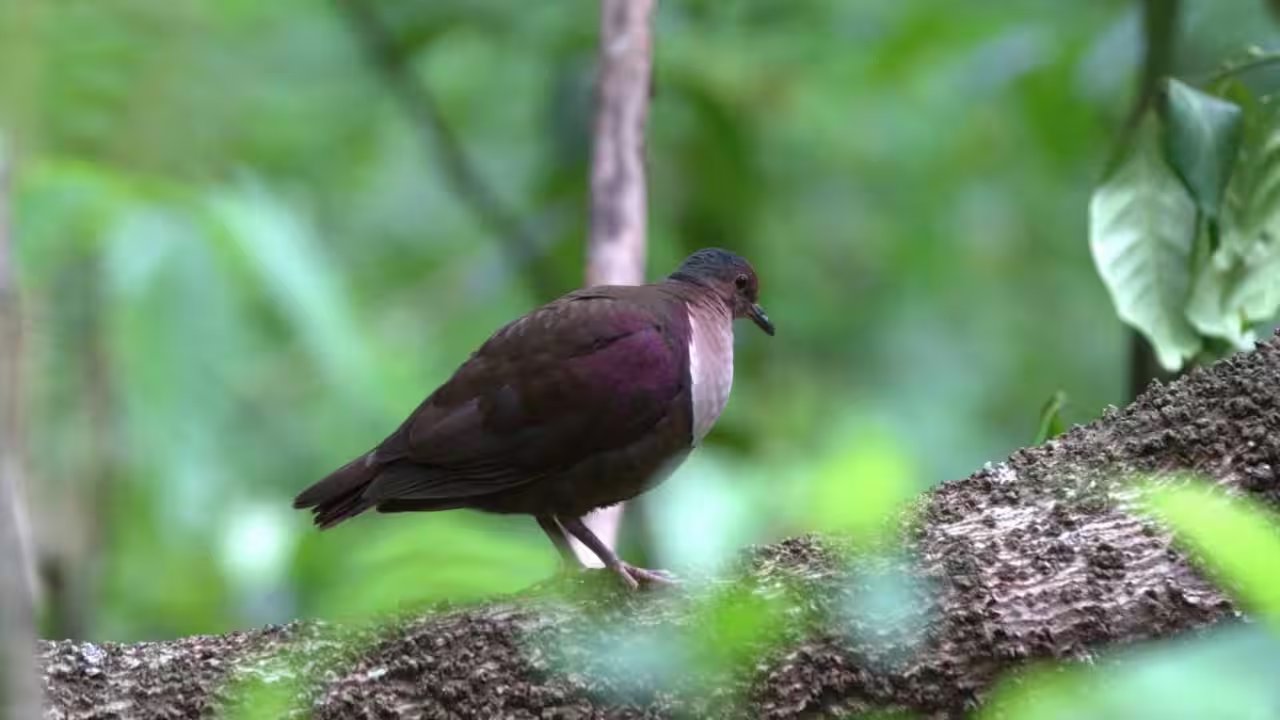
Birdwatchers have already spotted active nests of the Shy Ground Dove and the endemic Samoan Starling, while a nesting sea turtle was photographed on the beach for the first time in thirty years; a land crab species once absent has also been recorded, hinting at broader ecological ripple effects.
With the island cleared of predators, planners see Nu’utele as a potential safe haven for the threatened Mao bird and a living laboratory for climate‑resilient forestry; monitoring teams will track forest growth, wildlife populations and soil stability into 2028.