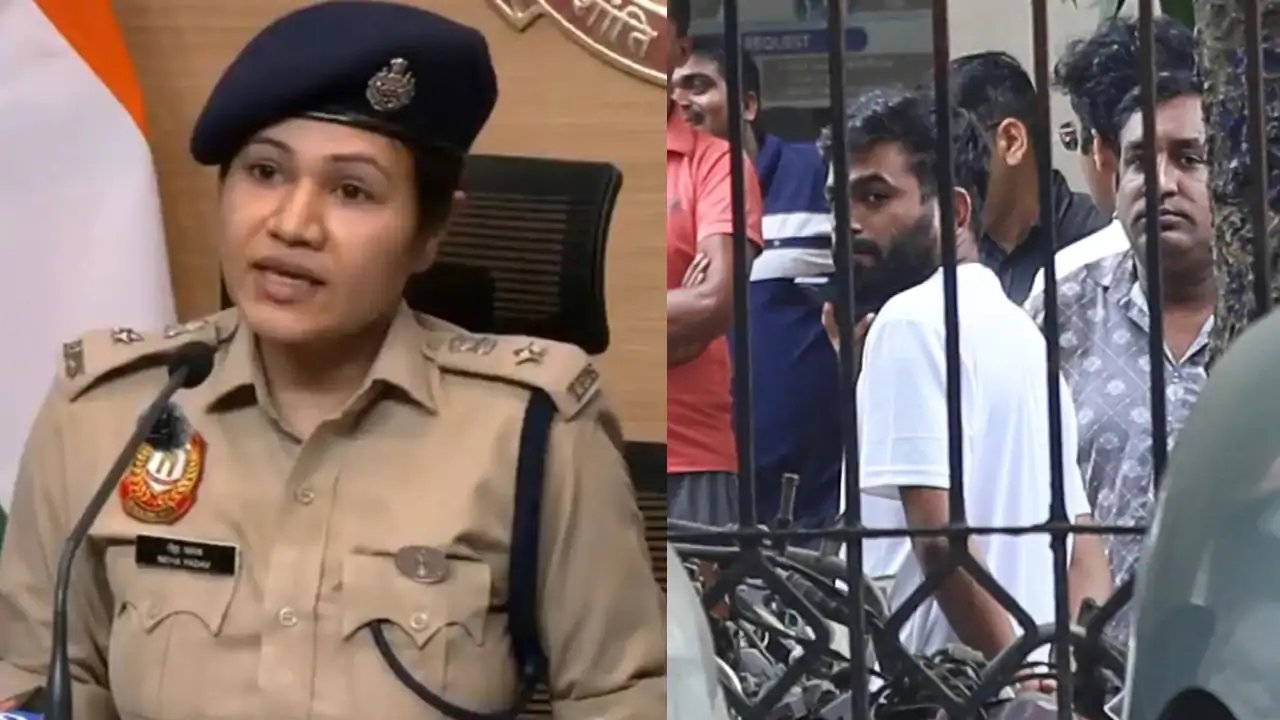
The Delhi Police detained CJP leaders Abhijeet Dipke, Saurav Das and Ashutosh Ranka on Saturday after they landed in Delhi to protest the Chief Election Commissioner's decision to postpone the elections. They were held under preventive arrest for 36 hours before being released by an executive magistrate the following morning. The magistrate imposed a one‑year restraint on the trio, prohibiting any breach of peace. The order came after the party’s legal affairs head, Ratna Singh, warned that the leaders could face further penalties if they flouted the mandate.
During a press conference on Sunday, Deputy Commissioner of Police (PRO) Neha Yadav showed a clip from the interrogation room in which Dipke was informed of his grandmother’s death on October 10. Yadav said the police promptly conveyed the news and offered full assistance to facilitate his return to his village for the funeral. Dipke is shown shaking his head and saying he would rather stay in custody. The footage does not show the police offering an escort or a travel ticket, a detail that Dipke later contested.
In a statement posted on X, Dipke accused the police of denying him access to his phone, which he needed to contact his lawyer and a cousin in the village. He also complained that officers asked him to inform his parents about his arrest at 3:30 a.m. but did not notify them earlier. “The police acted with a lack of humanity,” Dipke wrote. He added that the denial of phone access violated procedural norms that allow detainees to maintain contact with counsel.
Ratna Singh, speaking to the media, said the CJP would not relent or be intimidated by the state apparatus. She noted that the party would continue its campaign against what it calls a “dictatorship” that is sidelining electoral processes. The party’s leadership also stated that the one‑year restriction would be challenged in the Delhi High Court. Singh urged the court to interpret the law in favour of civil liberties.
Amid the turmoil, the grandmother, who had been suffering from a chronic illness, died at 11:30 a.m. Saturday in a village near Muzaffarpur. A neighbor, who has watched the family’s grief, said the funeral will be held in a small roadside shrine because the police denied the family permission to hold a proper ceremony. “They are still crying,” she said, her voice trembling. The community’s frustration underscores the broader anxieties about how the state treats dissenting voices.
The next day, the executive magistrate is scheduled to hold a hearing on the CJP’s appeal to lift the no‑breach‑peace order. Meanwhile, Delhi Police will file a counter‑claim for the preventive arrest, arguing that the detention was lawful under the Maintenance of Internal Security Act. The legal battle is expected to set a precedent for how political parties can challenge police actions in custody.