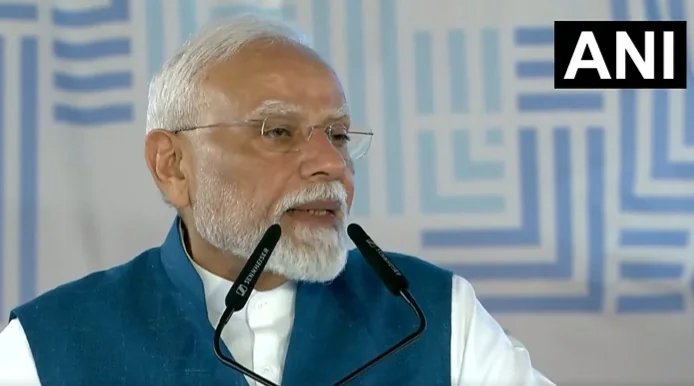
Prime Minister Narendra Modi stepped into the newly renovated Chennai metro rail terminal, shaking hands with Chief Minister M.K. Stalin and declaring the state’s commitment to progress, while the city’s skyline glowed with the fresh ribbon‑cutting ceremony for the phase II extension.
M.K. Stalin, the DMK leader who just secured a 41‑seat majority in the recent assembly elections, has been navigating a coalition with the Indian National Congress since taking office. His government, still in its infancy, has already pledged to follow through on long‑promised infrastructure plans that Modi has championed across party lines, from the Jayalalithaa era to the Karunanidhi years.
The ₹13,000 crore package unveiled this morning covers a mix of completed and upcoming projects: a new metro corridor, upgraded bus terminals, and a series of industrial parks aimed at attracting foreign direct investment. Modi highlighted that the central government’s Make‑in‑India and Voice‑for‑Local initiatives are already feeding into the state’s manufacturing ecosystem, creating tens of thousands of jobs for the region’s youth.
A key highlight was the laying of the foundation stone for a state‑of‑the‑art lubricant plant, projected to generate 1,200 direct jobs and reduce India’s dependence on imported motor oils. “Every day, families like that of 28‑year‑old factory worker Ramesh in Coimbatore will see new opportunities,” Modi said, his voice resonating in the packed hall. Local vendors, who had long awaited a boost to their supply chains, nodded in approval.
With the metro rail now operational, the next milestone is the commencement of the lubricant project in the first quarter of 2027, followed by a series of road‑maintenance workshops across the state. A joint committee will meet next month to finalize timelines and funding allocations, signalling a steady march toward Tamil Nadu’s industrial future.