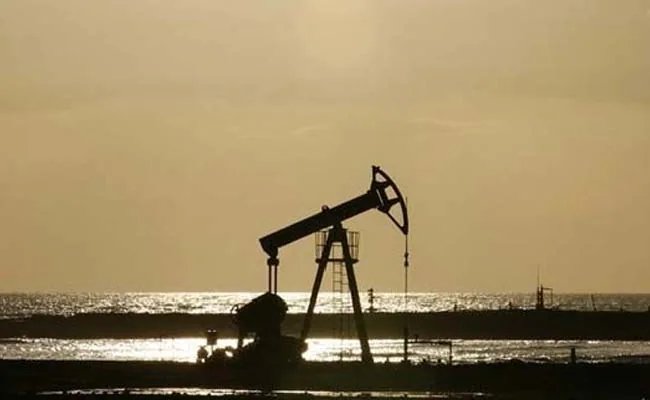
French President Emmanuel Macron issued the joint statement Friday, confirming that the seven major economies will coordinate a release of 100 million barrels of oil through the International Energy Agency (IEA). The plan begins immediately, with a significant chunk of diesel hitting the market within the first 20 days to address urgent supply gaps.
This action directly counters pressure from the United States, where President Donald Trump floated the prospect of banning US diesel exports. Such a ban would have severely impacted the European Union, which remains heavily dependent on imported fossil fuels. By agreeing to the release, G7 leaders sought to de-escalate tensions and prevent a sharper spike in global fuel costs.
The joint statement explicitly reaffirmed the group's commitment to refrain from export restrictions on energy and energy products among member nations. Leaders urged all other producers to avoid imposing bans that could exacerbate market tensions. “Our citizens' concerns about energy prices remain a top priority,” the statement read, signaling a shift toward direct intervention rather than passive monitoring.
Markets will now watch the IEA closely as it executes the frontloaded diesel release. The G7 pledged to monitor developments closely and adjust measures as needed, keeping the option open for further coordinated actions if price volatility persists beyond the initial four-month window.