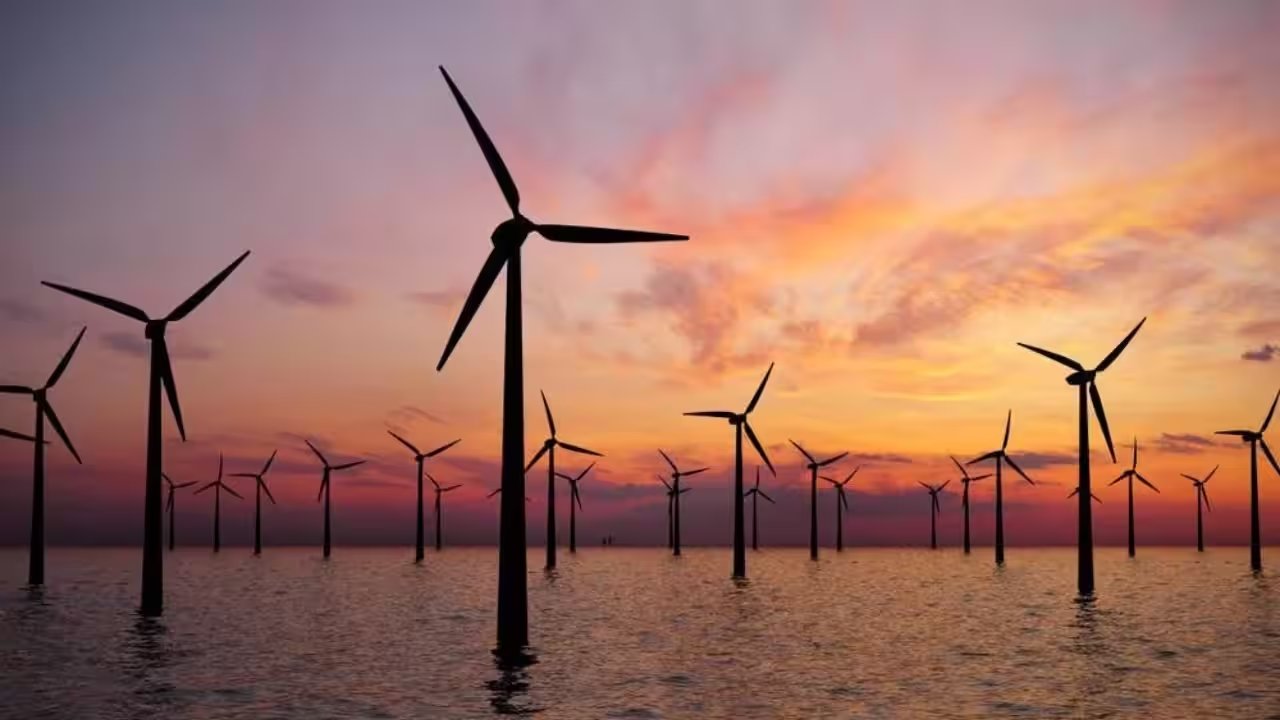
Evie Haupt, 75, stands on her 160-acre central Iowa property where three turbines pierce the sky. Each structure occupies less than an acre, yet they generate $35,000 a year for Haupt. That cash flow didn't just fill a gap; it erased $283,000 of the debt left behind when her husband died a decade ago. Her remaining liability sits at $67,000.
The math is stark against the broader agricultural landscape. The U.S. Department of Agriculture projects farm profits will plunge by 25 percent this year. Rising input costs and erratic weather patterns are squeezing margins for millions of producers. Haupt’s setup offers a hedge. She farms the bulk of her land while leasing a sliver for energy production. The contract includes inflation adjustments, meaning her income rises as costs do.
This isn't an isolated experiment. Iowa has transformed from a state with a few hundred turbines twenty years ago to one hosting over 6,000 today. Those machines produce roughly 60 percent of the state’s energy. Attorney Kathy Law, who has brokered nearly half of Iowa’s wind deals, notes the shift. She watched the 1980s farm crisis devastate her family before she even entered law school. Now, she helps landowners navigate the same financial precipice. "We want to be able to put turbines on our land and receive those benefits," Law told CBS News.
Opposition exists, naturally. Local critics argue turbines scar the horizon and disrupt wildlife. But for Haupt, the trade-off is clear. She retains her identity as a farmer while gaining a second, stable revenue stream. "I need to give up one or two acres of my land so that I can generate a commodity that we all use every day," she said. The next step for Haupt is simple: keep farming, keep collecting checks, and watch the debt counter tick down further.