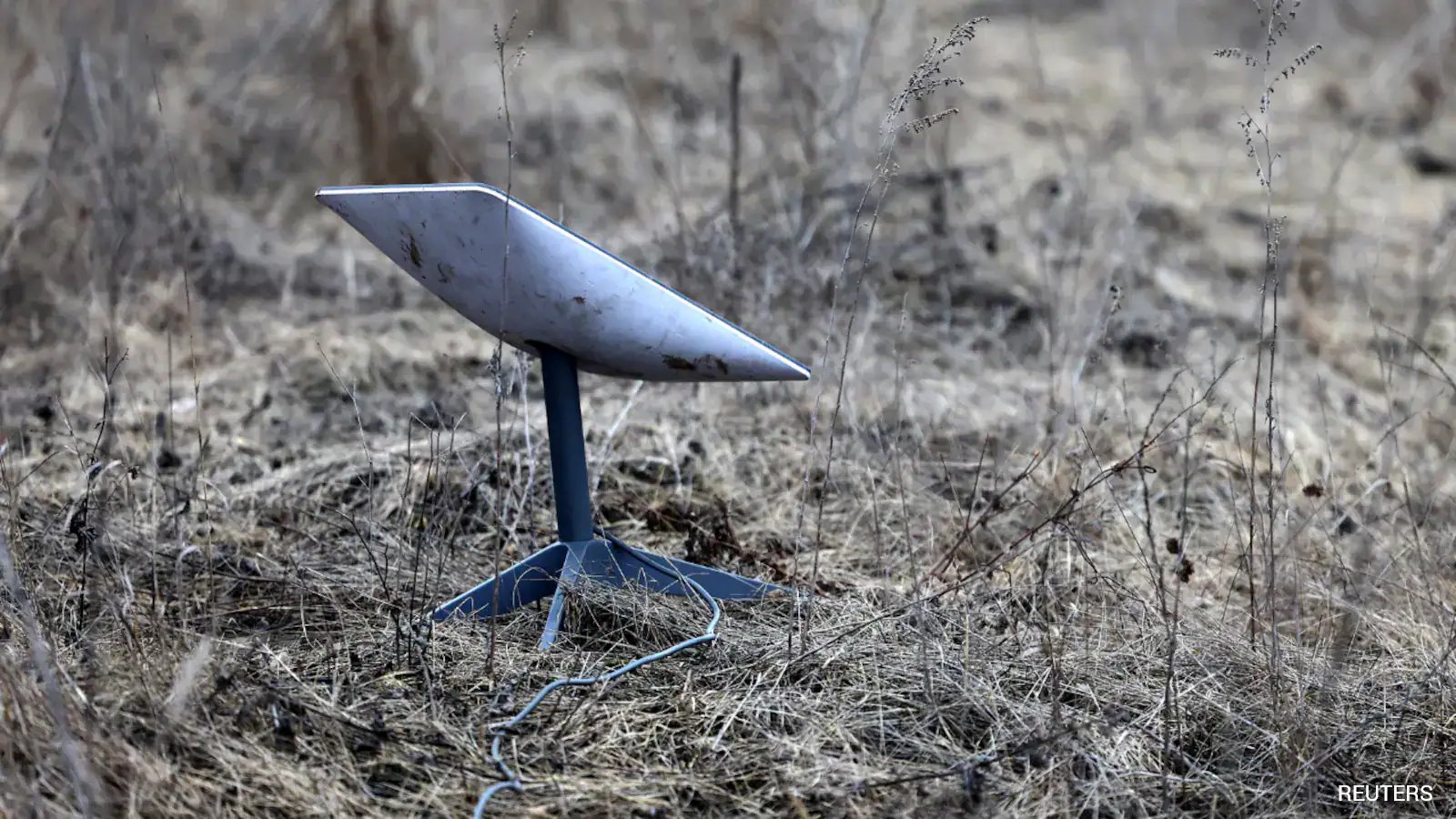
Yevhen Karas, commander of the 413th Separate Unmanned Systems Regiment, told reporters that the sudden loss of connectivity cost the unit several drones and forced mission aborts. The outage lasted 24 hours, during which the regiment’s drones—both the high‑altitude RQ‑4 and the low‑altitude Bayraktar TB2—failed to transmit video and control commands. The loss highlighted the regiment’s heavy reliance on Starshield for real‑time battlefield awareness.
Starshield is SpaceX’s militarized variant of Starlink, built on the same low‑orbit constellation but with dedicated encryption, priority routing, and a hardened payload for government use. Olena Tregub, Ukraine’s Independent Anti‑Corruption Commission secretary‑general, said: "We need high‑speed, uninterrupted links; a single drop can cost lives." She added that the Delta data‑fusion system depends on constant bandwidth to share ground‑moving units’ sensor feeds.
Elon Musk confirmed that the U.S. government owns and controls Starshield, with the Department of Defense deciding deployment and use. Washington’s involvement has always been opaque, especially after President Donald Trump’s controversial diesel‑import deal with Moscow, which Ukraine saw as a betrayal. Yet the U.S. remains the sole supplier of the satellite network Ukraine relies on.
In response, Kyiv officials have requested a formal guarantee from Washington that Starshield access will not be interrupted again. The U.S. State Department is preparing a briefing for the upcoming NATO summit to address satellite connectivity concerns. Ukrainian leadership will push for a binding commitment next week, lest the war effort suffer another crippling outage.