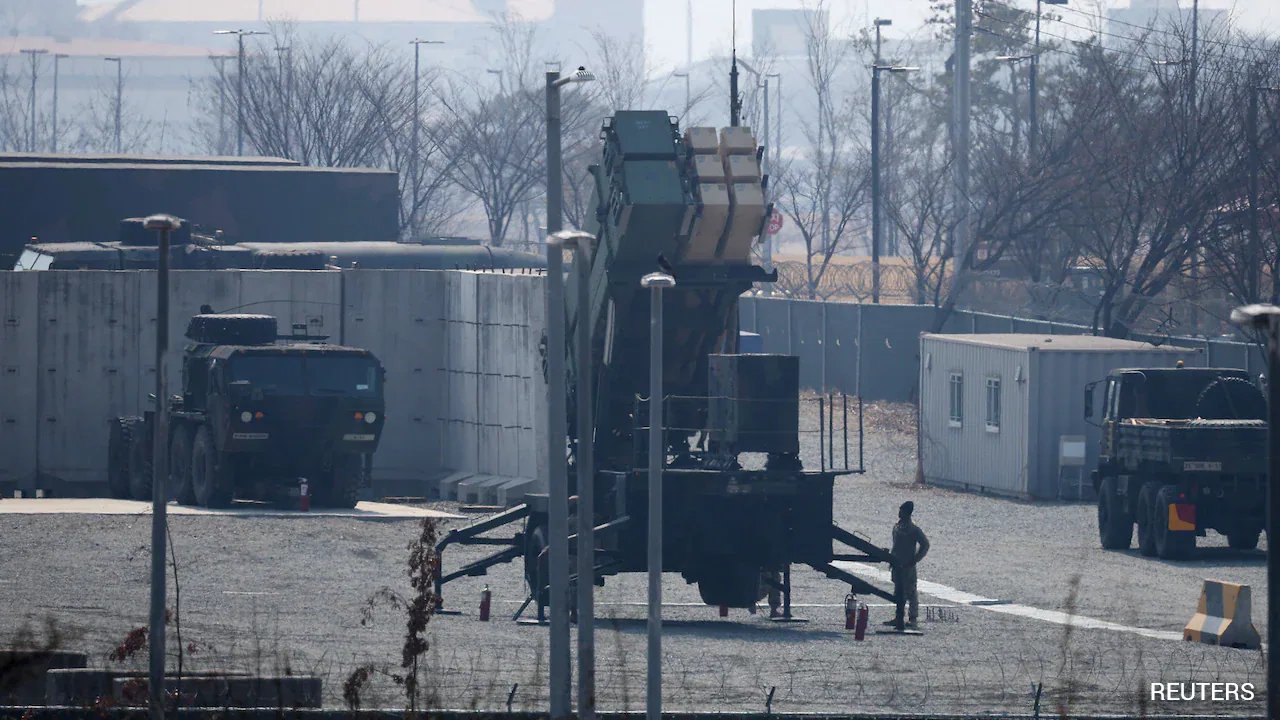
Ukraine’s last Patriot interceptor missiles were used against a wave of Russian ballistic missiles that struck three power plants in Kyiv and targeted energy infrastructure in Kharkiv overnight, killing four civilians and injuring 25 others. CNN’s report, citing unnamed intelligence officials, said that "almost all the ballistic missiles from the last strike were not intercepted due to a lack of interceptor missiles."
The Ministry of Defence confirmed that the Patriot system had been depleted, a fact that undercuts the country’s ability to shield critical infrastructure from further attacks.
Kyiv’s relationship with Washington has reached a new low, with President Volodymyr Zelensky accusing the U.S. of betrayal over an oil deal with Moscow and reiterating that Ukraine has been denied routine intelligence on incoming missile threats.
Restrictions on the military‑grade Starlink variant, Starshield, have also tightened, limiting the army’s real‑time communication capabilities at a time when every second counts.
Last July, Zelensky flew to Washington to seek a license for domestic Patriot production, but President Donald Trump cautioned that the U.S. should be "very careful" before granting authorization.
The immediate fallout is stark: power outages spread across several districts, a displaced family in Kyiv waiting for evacuation, and a coal‑plant worker who lost his job when the plant was hit.
Moving forward, Zelensky has called on Washington to accelerate the delivery of a new batch of interceptors, while the U.S. Treasury is reviewing the request under the existing defense aid framework. The next development will be a congressional hearing scheduled for next month to decide whether to approve additional Patriot shipments.